




Listening to the Kiwi Ears Serene
Contents
According to the specifications, the impedance of the Kiwi Ears Serene is 50 ohms. We assume the impedance will be higher because we have to turn up the volume of the Sennheiser HDVD800 and the CH Amp considerably. We set the gain on the CH amp to the high position. This problem was less noticeable on the Fostex HP-V1 headphone amplifier.
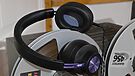
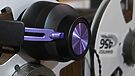
The sound signature of the Serene is intimate; it sometimes feels like we are wearing in-ear headphones. The bass sounds warm but not too heavy. It matches well with a neutral amplifier. With the CH amp (a preamplifier that tends towards the warm side), we hear more bass/grunt than on the Sennheiser.
The sonic performance of the Serene depends very much on the match with the headphone amplifier. When connected directly to the headphone output of the Macbook Pro or to a mobile phone, using a on-the-go OTG DAC/amp connector USB C to 3,5mm stereo jack, we clearly hear that the built-in amplifier has difficulty driving the planar drivers. The volume has to be turned up high, and the clarity of the music is lost.
Telephone and On The Go (OTG) adapter
Let’s start with the Fostex HP-V1, a headphone tube amplifier that, despite its small size, can play very powerful and rich. Unfortunately, this portable headphone amplifier is no longer in the Fostex collection. This tiny device makes even the most difficult headphones sing.
The signal to the Fostex is send from the phone. What a difference! This demonstrates that the DAC in the on-the-go (OTG) cable/adapter is not bad at all. And we hear what a difference good amplification makes. We listen to “Um Affair”, the opening track of Djavan’s album “Improviso”, played with the Qobuz app. Djavan’s distinctive voice comes through beautifully, with the bass driving the song. As with much Brazilian music, there is a layered rhythm and different parts/instruments. We can hear these clearly. The Fostex has a good grip on the Serene. The timbre is warm and solid.
MacBook and On The Go (OTG) adapter
Next step: the MacBook Pro USB-C output with the OTG adapter to the Fostex. When we play via Audirvāna, we can clearly hear what this music player/app does; more calm and clarity in the sound. The soundstage and positioning of the instruments (left, right, front, back) are realistic and precise. Each recording sounds differently.
The studio version of Paul Simon’s “50 Ways to Leave Your Lover” features the famous drum intro by Steve Gadd. In particular, the floor tom on the 3rd beat of the 1st bar and the 4th beat of the 2nd bar often sounds much too intense (boommm). With Audirvāna, it sounds as it should. Nice!
EarMen Ch-Amp and Sennheiser (and a little bit of Weiss Helios)
Next step: via the MacBook Pro to the EarMen Tradutto DAC and then to the CH-Amp and Sennheiser HDVD800 headphone amplifiers. The Sennheiser is a very neutral and powerful headphone amplifier that has served us well for years, and we can clearly hear the difference with the slightly warmer CH-Amp.
With the CH-Amp, we hear a more dominant bass, while with the Sennheisers, the high registers seem to have more space. “Car On A Hill” by Joni Mitchell (album “Court and Spark”) sounds wonderfully spacious. We would like to reiterate that recordings from the 1970s can sound phenomenal. We are in the studio, the atmosphere is palpable.
While auditioning the Kiwi Ears Serene, the Weiss Helios DAC/streamer arrives. We can’t resist connecting this reference DAC to our system. Not surprisingly, this adds even more accuracy and credibility to the sound.