



For Whom
Contents
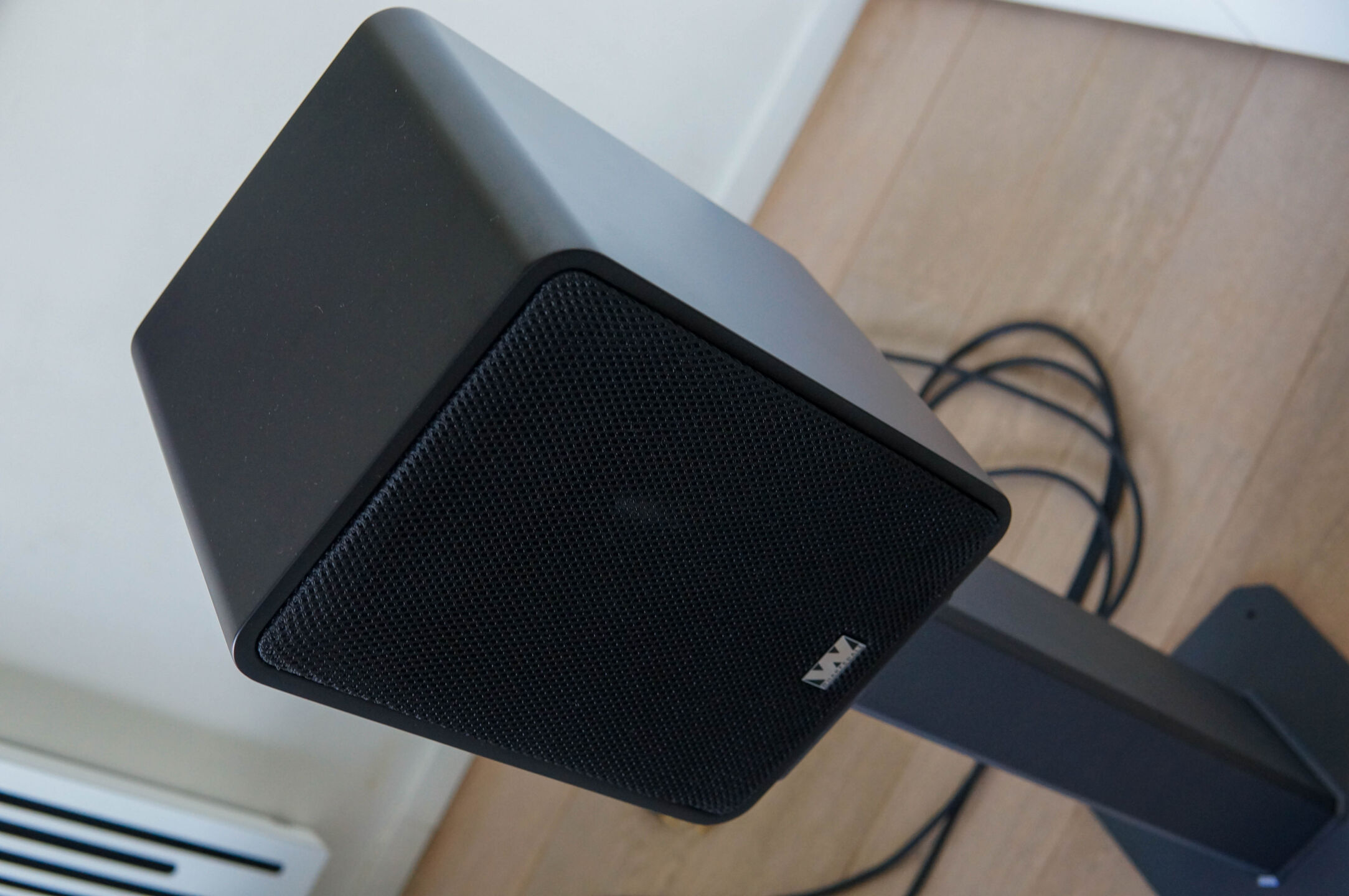
You wouldn’t expect it from the photos, but “in the flesh,” the Denton 1S is actually quite large. Larger than my Neat Petite Classics, at any rate. And also larger than, say, a KEF LS50. That’s why I find them just a bit too big to mount on the wall. But placed next to a TV on a low cabinet, they outperform many soundbars. They’re also the ideal starting point for an affordable, compact system. Their coaxial driver and unique character will appeal to a lot of people.
Comparison

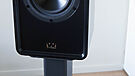
The Bowers 606 i have here is a popular choice in this price range. It excels in liveliness and detail but isn’t the most refined speaker. It’s a speaker that prioritizes fun, but don’t pair it with a bright amplifier or you’re guaranteed to get a headache. It sounds especially good with pop, dance, and rock. The Denton 1S has a more refined character that suits various genres of music but perhaps suits pop and dance just a little less well (without a subwoofer). Unlike the Bowers, the Denton 1S pairs well with any type of amplifier, which is a major advantage. It lets the music and the amplifier’s signature shine through and is clearly the more neutral of the two.
Another great option in my cupboard is the Q Acoustics 3030i. The 3030i is a laid-back speaker that needs a little oomph to really get going. It’s best not to pair this speaker with a warm amplifier, as that would make the sound too tame and a bit boring. Instead, opt for a fast, detail-rich Class D amplifier. The 3030i has a warm midrange and a somewhat softer bass, and it’s wonderful for singer-songwriter and light classical music. The Denton, as mentioned earlier, is the better all-around speaker and sounds a lot more open than the Q Acoustics. It’s really striking how accurate the Denton 1S sounds.