



The second round of listening
Contents


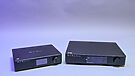
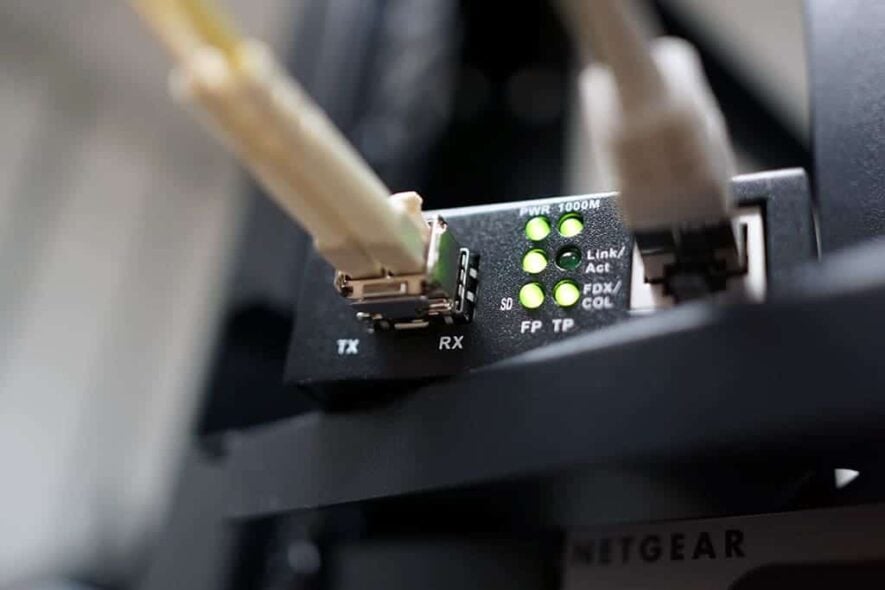
We connect both the Primo and the Dlink switch to the Dodo. We are familiar with the effect it gives, but every time the result is still surprising.
Any trace of harshness in the synth sounds of Rone’s track is gone, they bounce around the room like ping-pong balls from high to low. The voice is draped beautifully over the music, you can hear very well how the production of the track enhances the expressiveness of the voice. The deep synth sound is humming and warm, but doesn’t run as deep as with the SMSL.
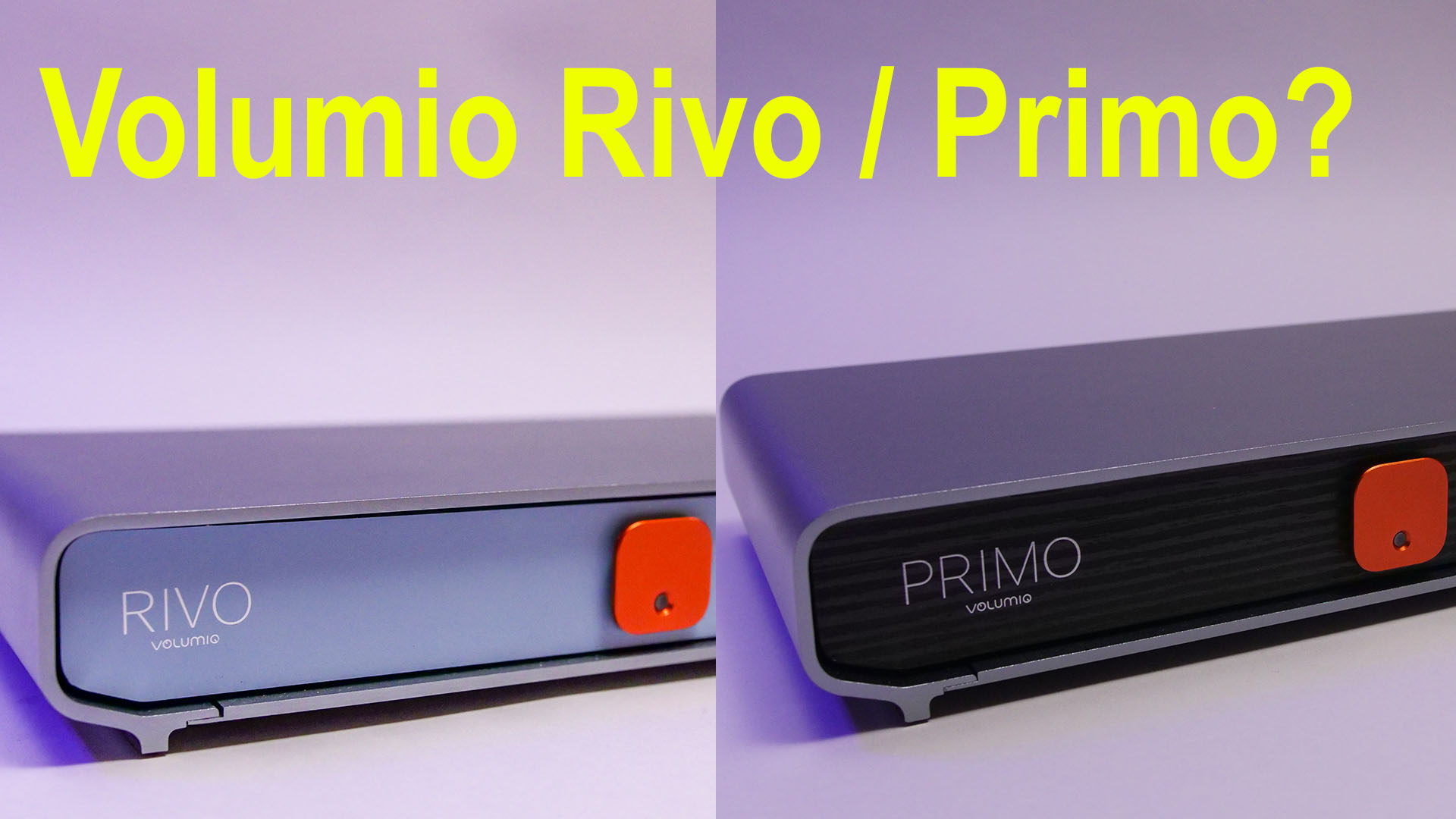
The track also sounds better with the Dodo, Rivo and SMSL combination, but the difference with the previous round of testing is actually less than expected. You hear more detail, the transparency in the soundstage increases, the harshness in the sound is less prominent. The synths run even deeper, but it all sounds less playful than with the Primo. This is obviously not an objective observation, but it is inescapable. It sounds all correct and balanced, but lacks the zest that can make listening to a good setup such an experience. Remember that we are listening to a streaming setup of 2900 Euros by now.
Surprisingly, the opposite happens with Nescio. With the Primo, the reproduction is more transparent than in the first round, there is more space between the instruments. The piano gets more depth of sound and the fast guitar strums at the end get more textured. The ukulele pokes through the guitar strums with clarity and the synth chords float in space like a fine morning fog.
But the Rivo and SMSL take a clear lead. The synth sounds do not have the fine fog quality as with the Primo, but the quality and depth of sound of all instruments increase. Again, the transparency in the soundstage increases, the bass is tighter but also sounds with much more texture in the sound. The highs, in particular, improve tremendously and sound refined. Piano sounds deeper, but also flutters more like a butterfly through the song, everything is faster and more precise. In other words, adding the Dodo has a major positive influence on the quality of reproduction of transients from acoustic instruments, and this in turn makes instruments sound even more ‘natural’, more like ‘someone is playing in front of me’.