



Measurements and conclusion
Contents
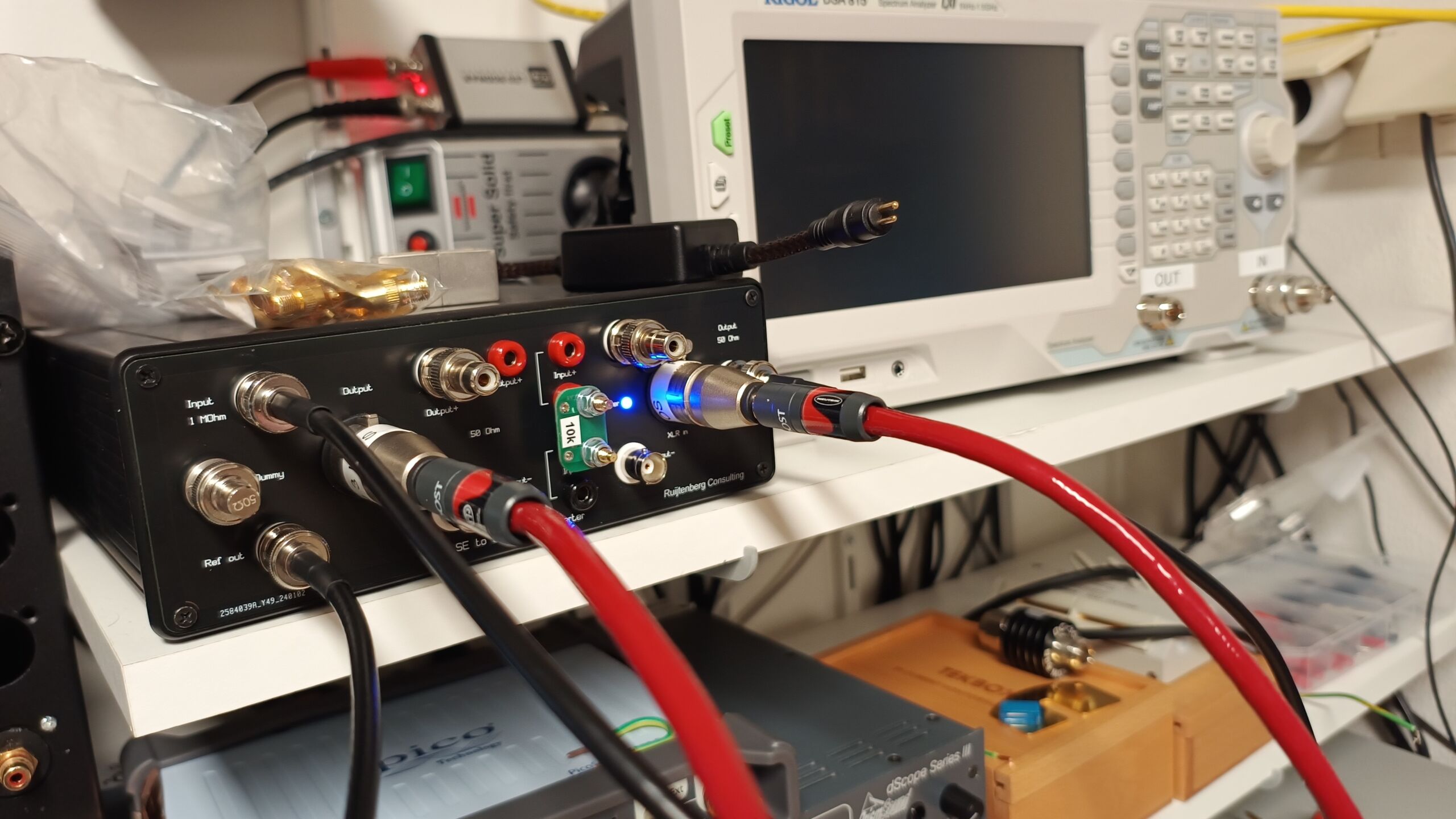
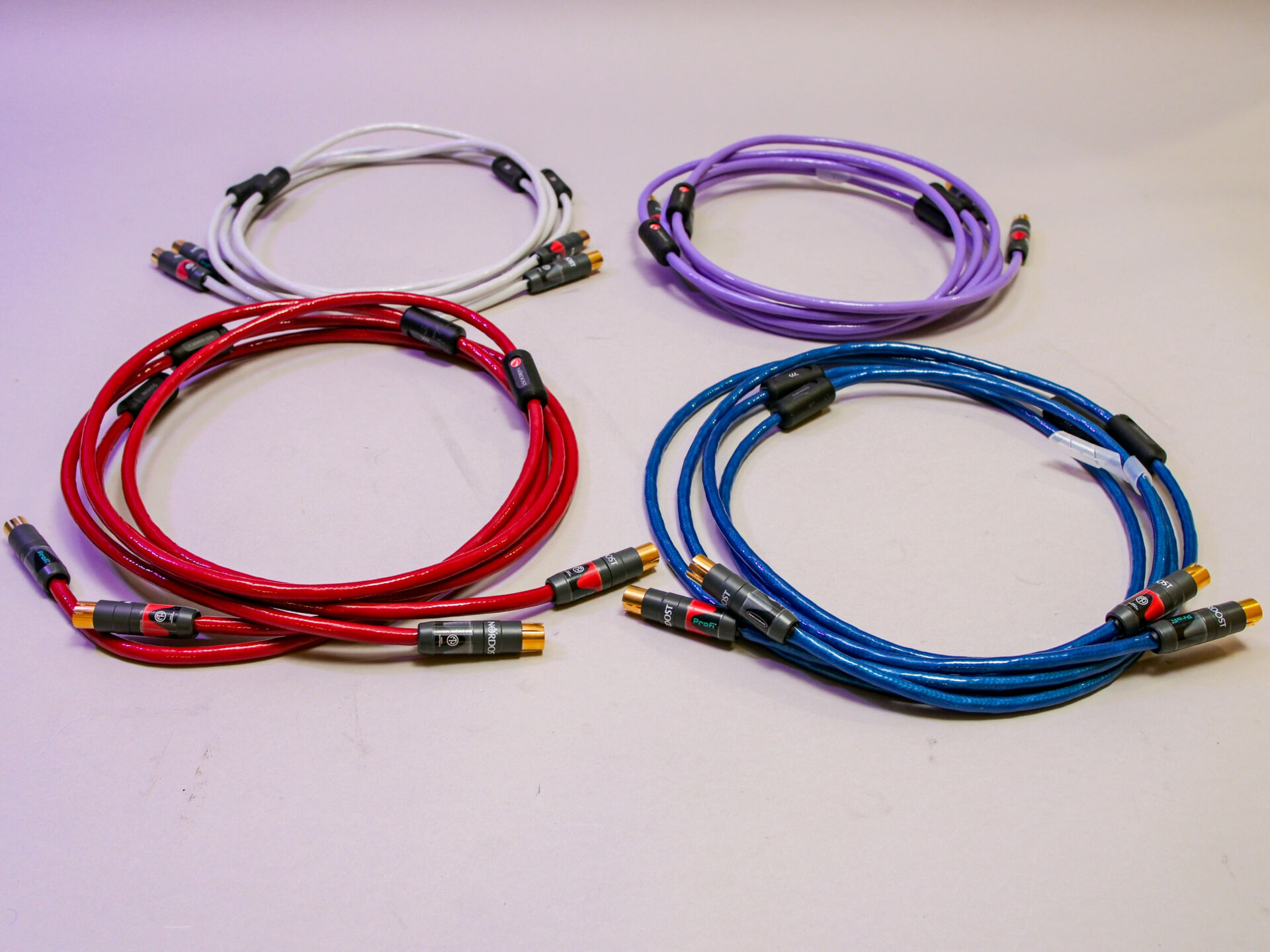
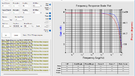
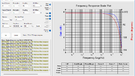
We subjected the series of four Nordost LEIF cables to a series of tests. We measured propagation time/variation with the HP pulse generator and Tektronix scope and attached them to the Sourcetronic LCR to measure capacitance, inductance, impedance and conductance. Finally, using the “black box” and the Picoscope, we made another Bodeplot to measure response and phase. In doing so, we terminated at 10 KOHm. Of course, that result is not surprising: everything is straight well above 100 KHz.
Nordost White Lightning
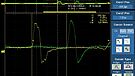
What is interesting here is that once again we see that Nordost is unprecedentedly good in terms of propagation variation. We see particularly small deviations in propagation time as we vary the voltage. The cable is also fast: 8.3ns over 1.5 meters. The variation is from 8.3 at 0.5V to 8.25 at 1V and 8.27 at 2V. That’s a maximum of 0.05ns. That’s 50 picoseconds of deviation! Neat!
Nordost Purple Flare
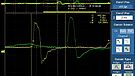
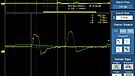
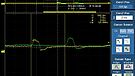
Turning to the Purple Flare, we see that the cable in particular is fractionally faster than the White Lightning. We drop from about 8.3 to 8.05 ns over 1.5 meters. The variation is otherwise the same: 0.05ns. Impressive.
Nordost Blue Heaven
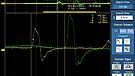
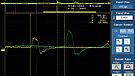
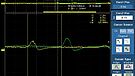
Blue Heaven is actually just as fast, although we measure slightly faster propagation at 2V. The variation is again the same: 0.05ns. We see a pattern emerging!
Nordost Red Dawn
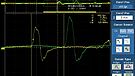
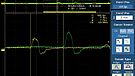
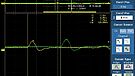
This is a substantial step though: we drop from around 8ns to 7.75ns. However, the propagation time is again the same: 0.05ns. We guess that this has to do with the fact that the capacitance of all cables is about the same. You can see that in the LCR measurements.
Overview of propagation variation
| Model | 0.5 V (ns) | 1 V (ns) | 2 V (ns) | Total (ns) |
| White Lightning | 8,3 | 8,25 | 8,27 | 0,05 |
| Purple Flare | 8 | 8,05 | 8,05 | 0,05 |
| Blue Heaven | 8 | 8 | 7,95 | 0,05 |
| Red Dawn | 7,75 | 7,75 | 7,7 | 0,05 |
Above is a summary table of the propagation variation. Two things stand out: the cables are getting faster and faster and the variation is the same across all cables at a maximum of 50ps. This shows that Nordost has played out the cable making game in terms of timing and stability.
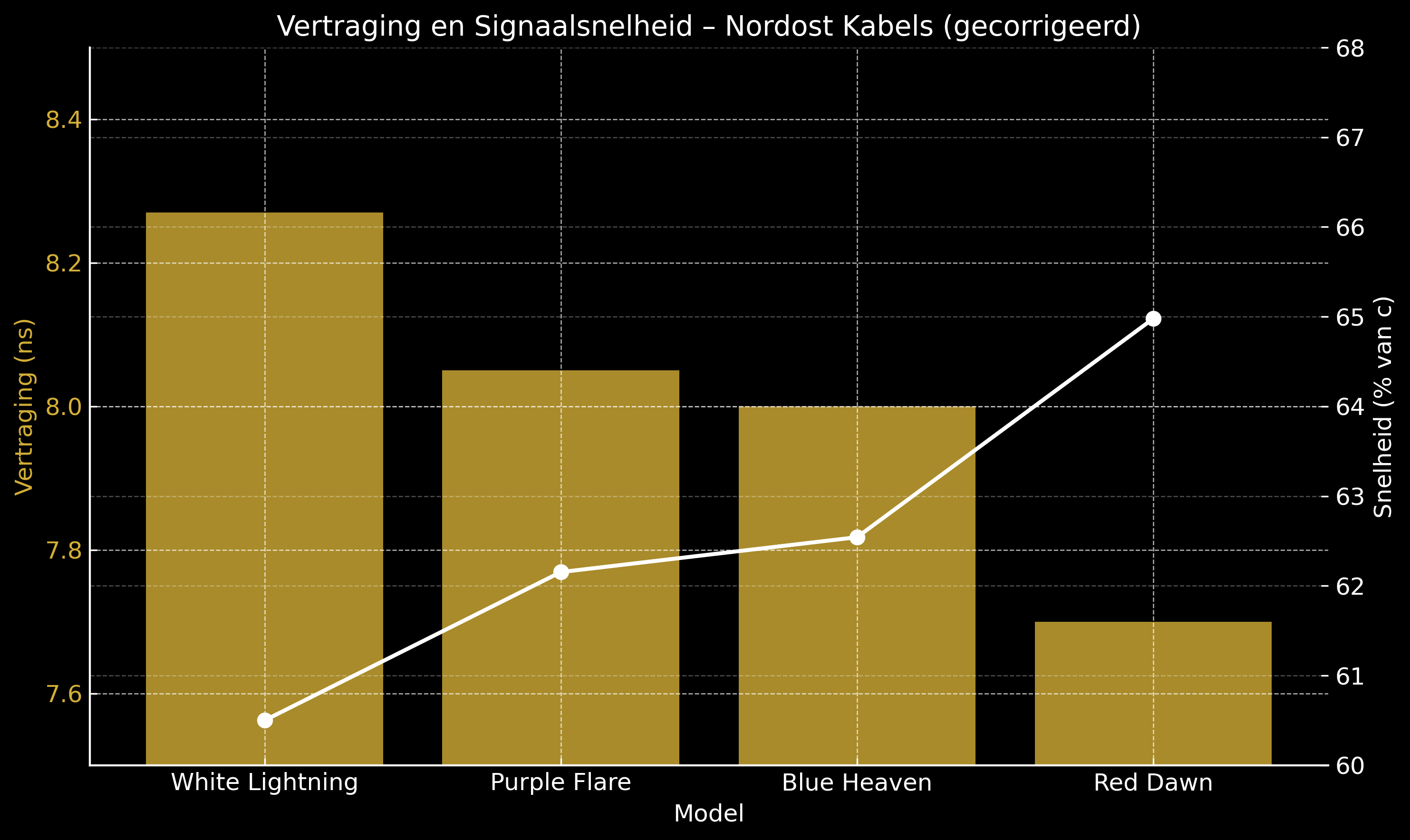
Just for fun, we converted the signal speed to the speed of light. Because Nordost claims to be very fast and uses FEP insulation. Our short calculation shows that those claims are true. We see with the Red Dawn a delay of 7.7ns, which at 1.5 meters corresponds to 65% of the speed of light. FEP insulation has a velocity of about 69%. (Insulation has a huge impact on signal speed).
LCR measurements
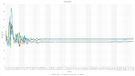
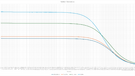
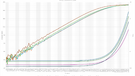
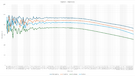
We see here in terms of capacitance that it is close; the values are between 155 pF and 175 pF approximately. That shows us that the geometry must be the same. Inductance is different though: The White Lightning is definitely higher than the Blue Heaven which has the least amount of inductance.
We see in the impedance measurement that therefore the Blue Heaven’s impedance – higher in the spectrum – is therefore lower (above 50 KHz). Whether that is audible is of course the question; impedance is not that important with interlinks.
In terms of conductivity we see that Nordost has 100% sure different conductors per model: each model conducts just that little bit better. The Red Dawn conducts twice as well as the White Lightning.
Hello. I have a question about the use of “calm”/“calmness” when describing sound character- nordost cables in this case. From calm … I understand it to mean laid back. It could also mean a little polite perhaps. Is that what you mean by something sounding calm? What attracts me to nordost is its energised and lively sound. Laid back – not so much anymore esp when getting old and hearing not above 12k hertz.
I was just considering the Nordost lineup for a speaker cable upgrade this week. Do you feel there’s a noticeable difference from the Leaf to Leaf 3? I’m asking because I think the 3s came out some time ago but all I can find at my usual stores is what I imagine to be the Leaf 1 line up, at least for speaker cables.
I haven’t compared them. So I can’t say anything about it. Sorry.
Thanks Jaap!
Assume interlinks can squeeze out the last 15% of the sound quality. The brand or type you choose determines what accent or color you like to add to the sound. Can’t believe need to spend this amount yet. However I do use Nord ost clones… Valhalla 2 clone speaker cables, single end interlinks, compared to other clones tbe Nord ost clone sound best…the real deal is out of scope for now, but under 1000 euro it tickles my mind…
Clones cannot be the same… Sorry. Perhaps they sound good. But I know for a fact that clones use different materials and conductors.
Clones are the reason why I’m always afraid of buying used cables and I end up not doing it. I know there are Nordost and Audioquest clones but I bet there are a ton of other brands too.