




The French Sound
Contents
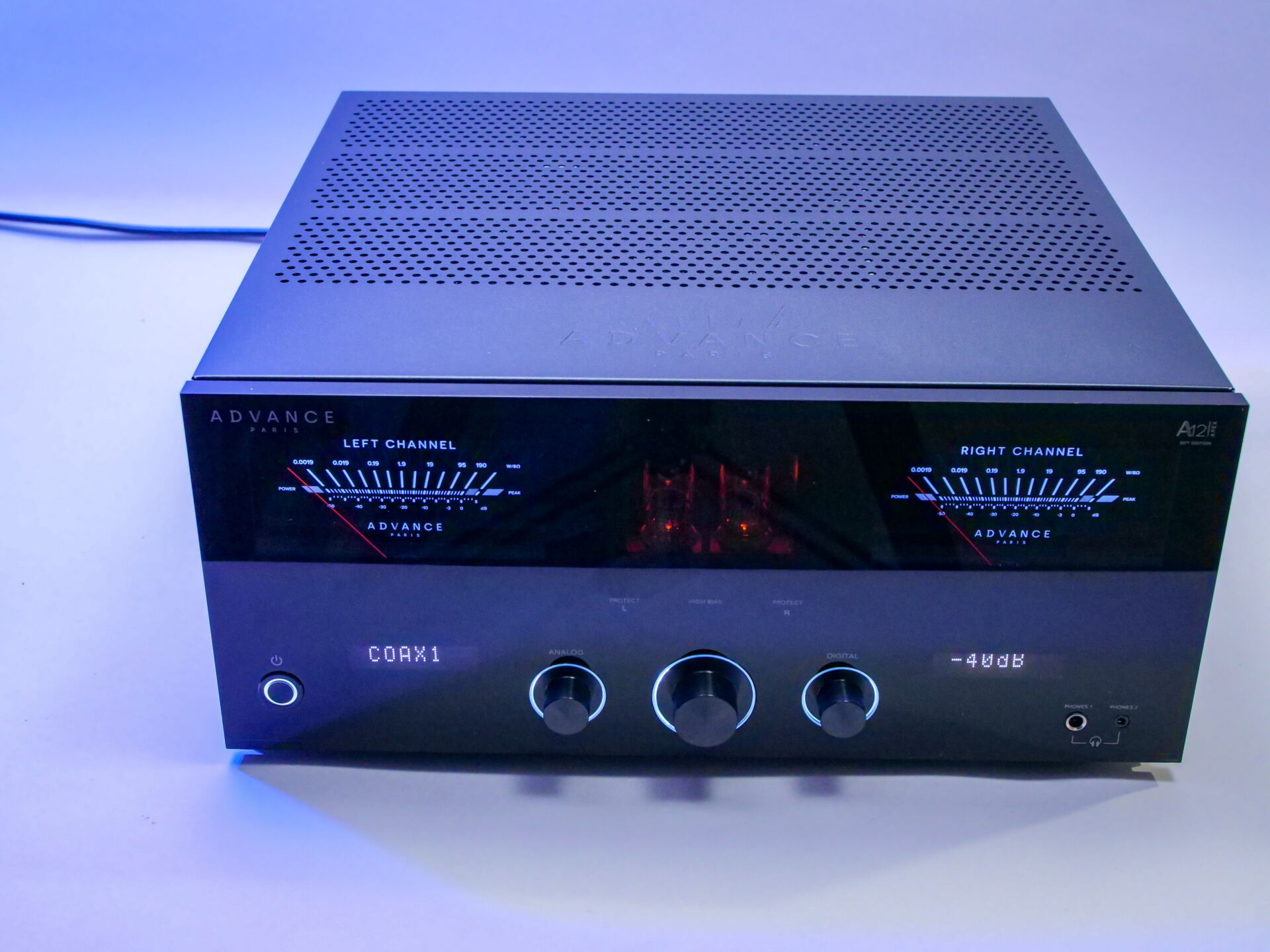
What is actually immediately noticeable is that the Advance Paris A12 Apex sounds a bit cleaner than the “normal” A12. At least: if we remember the first A12 we tested correctly. The Advance sound was always a bit warm and dark. Especially in high-bias. But this A12 Apex really isn’t. It is remarkably clean. But smooth and never sharp. Impressive that Advance can bring that to this price range.
Schwung… uh… élan
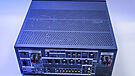
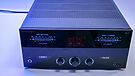
Yes: schwung is a German word, but certainly applicable here. But perhaps élan also works. Because this amplifier just HAS that! And not only via the analog XLR inputs – which sound just a bit better, we think – but also via the digital coaxial inputs.
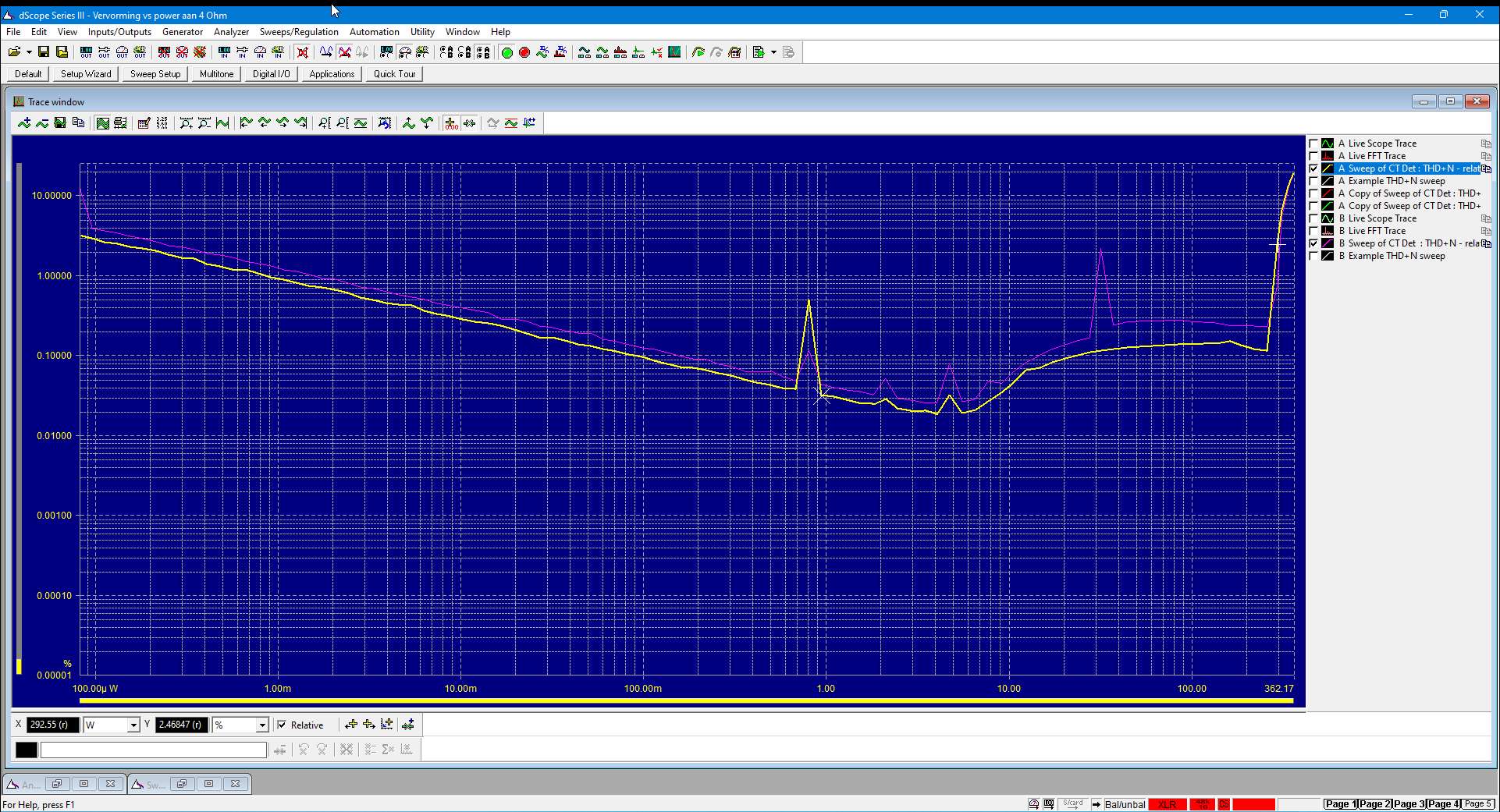
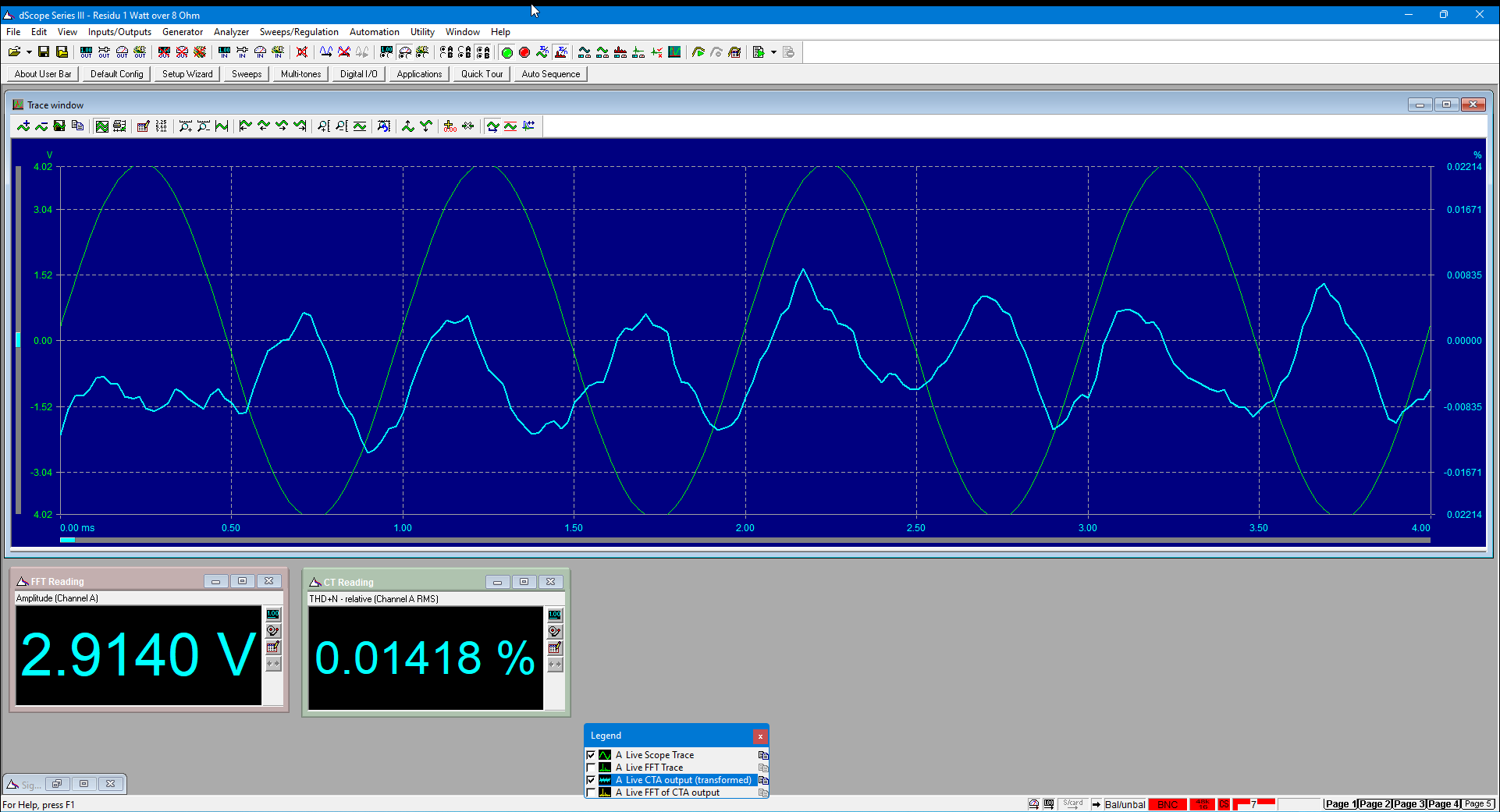
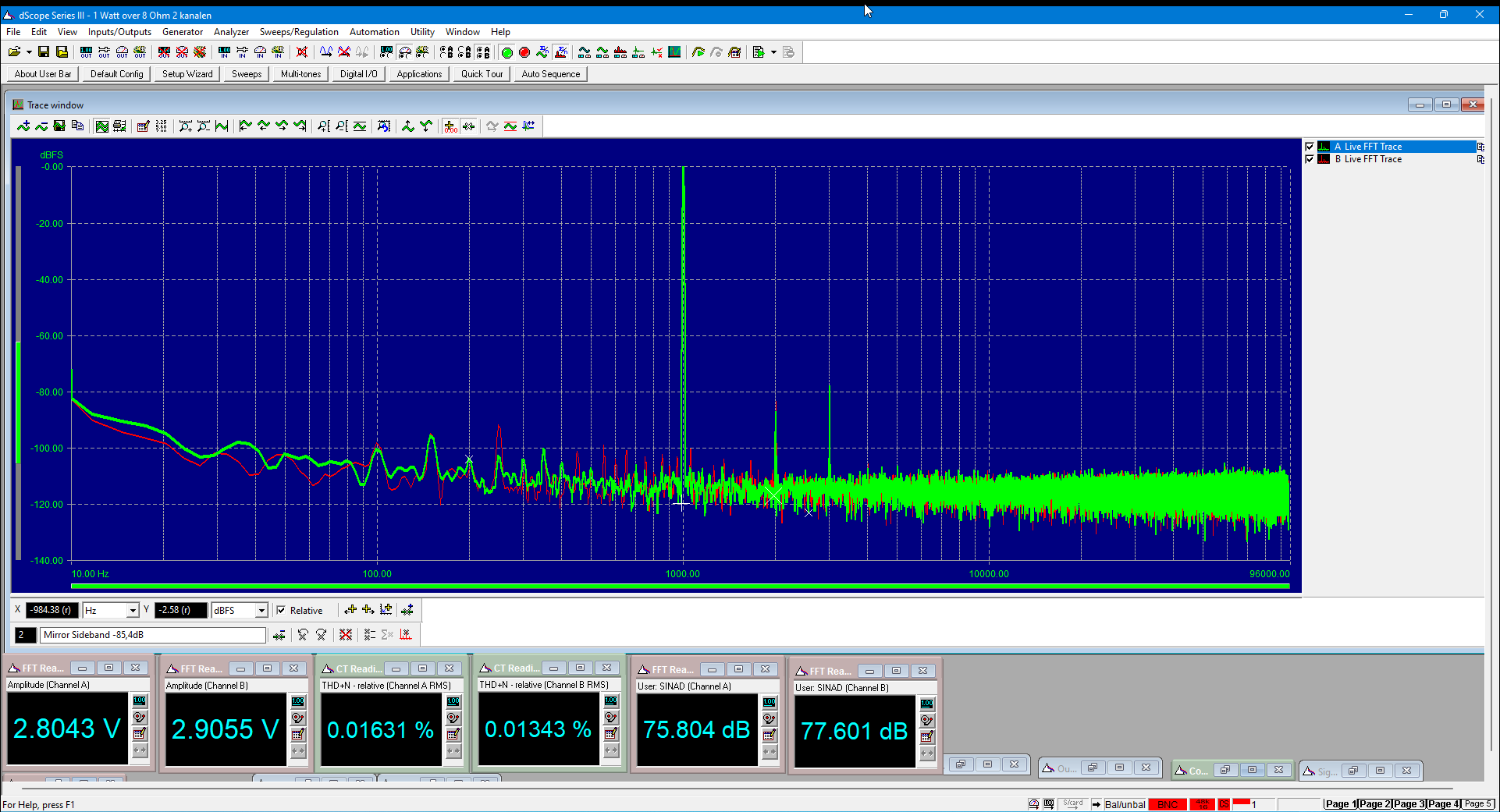
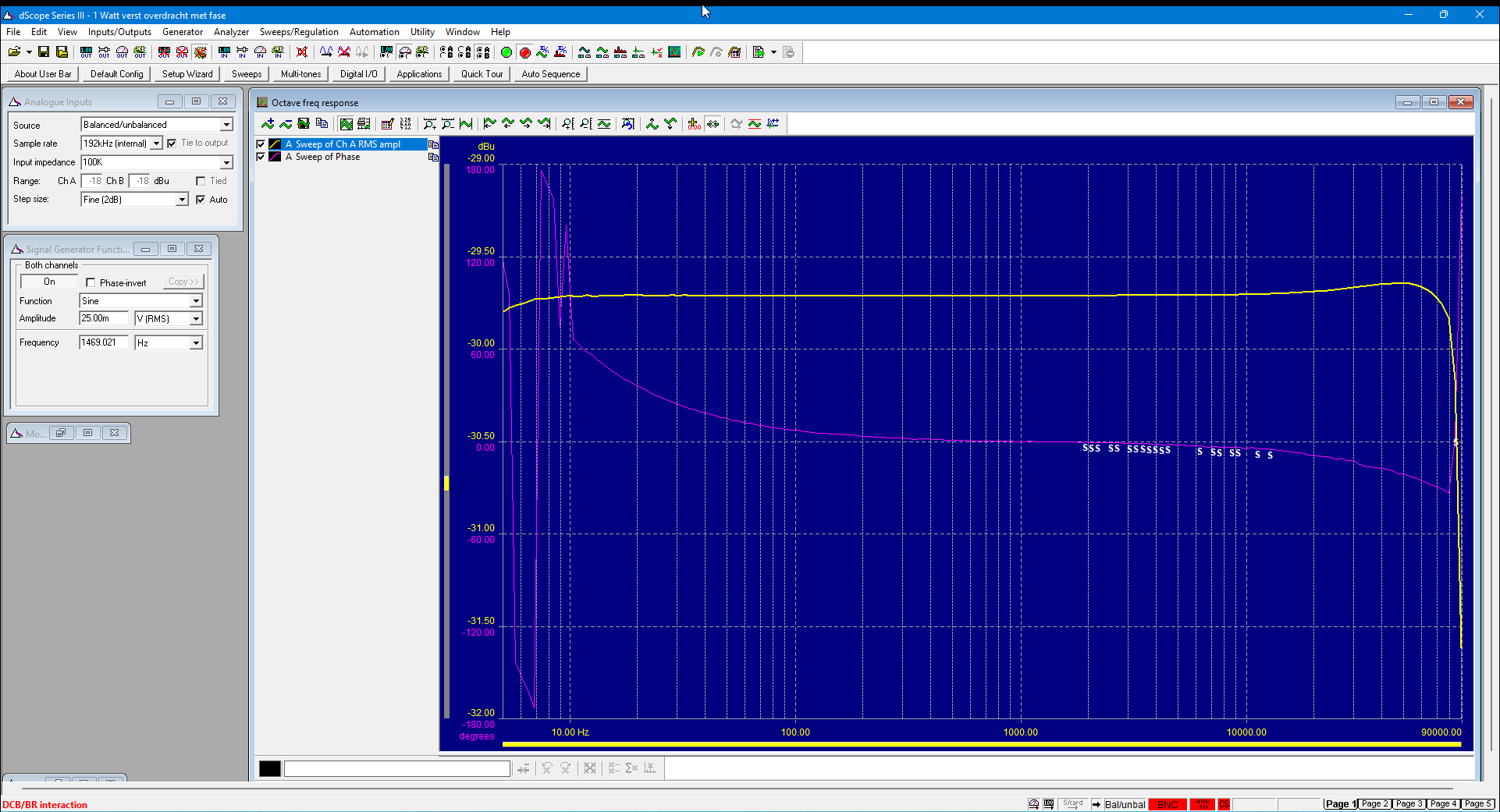
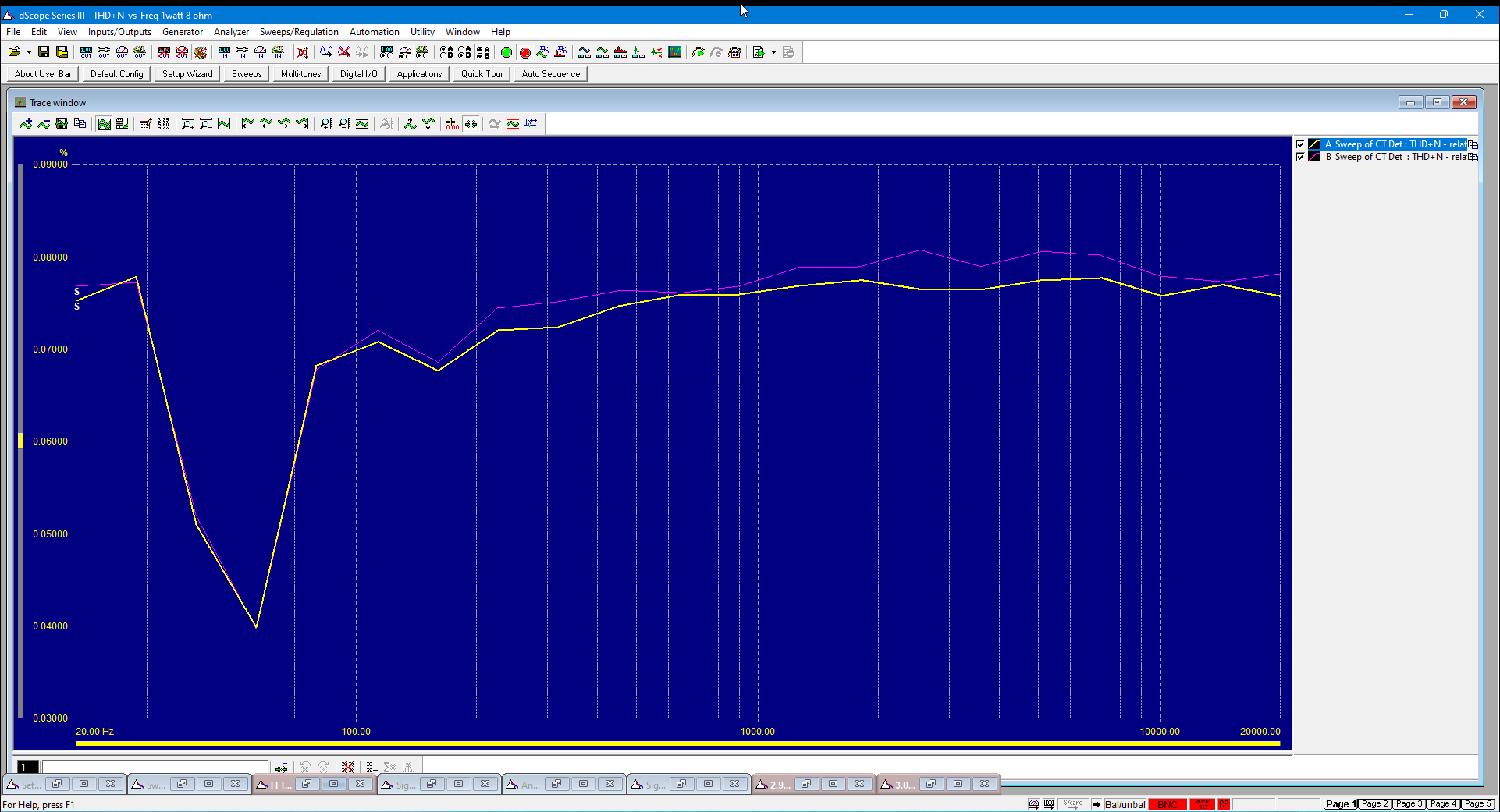
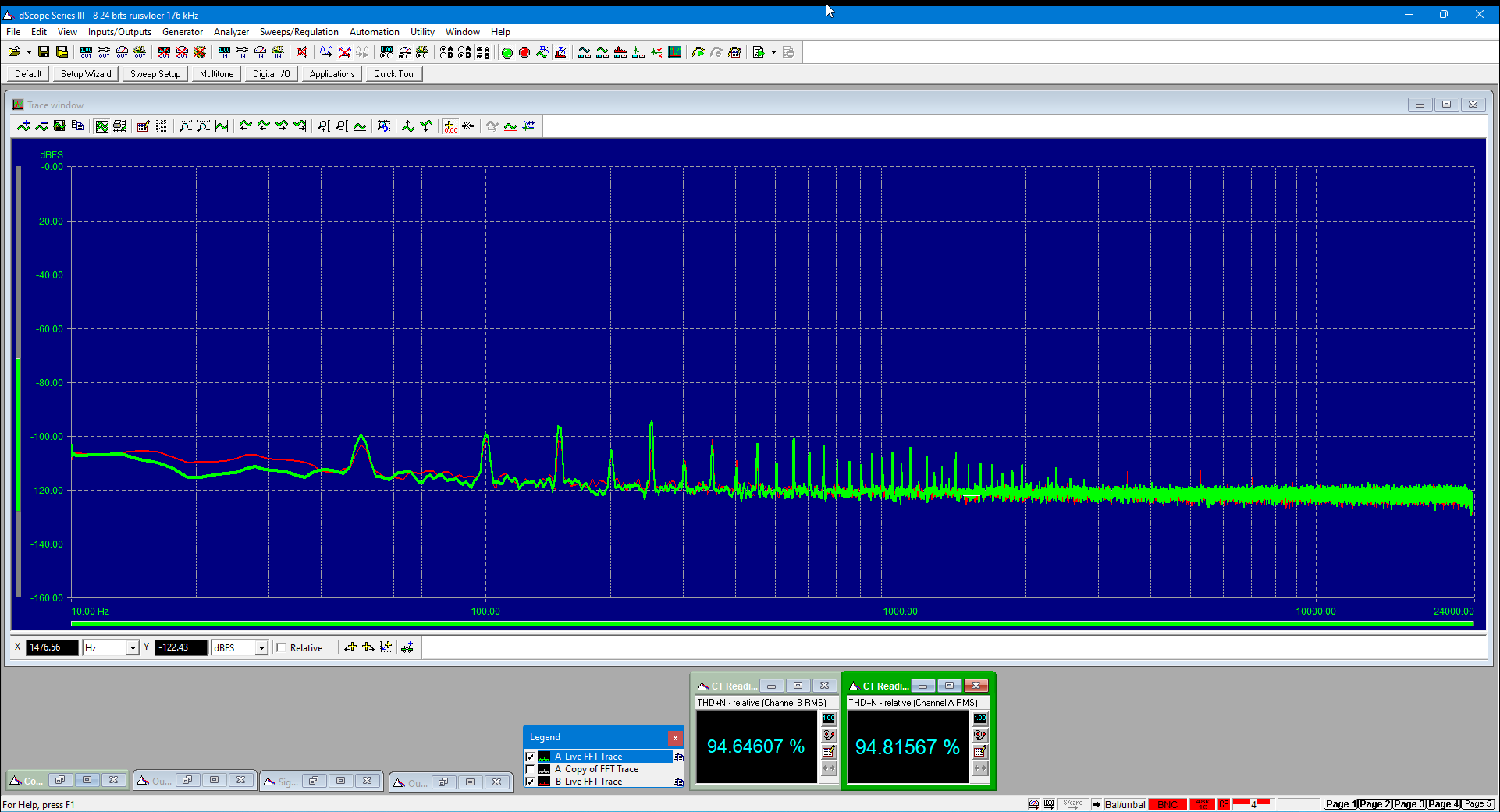
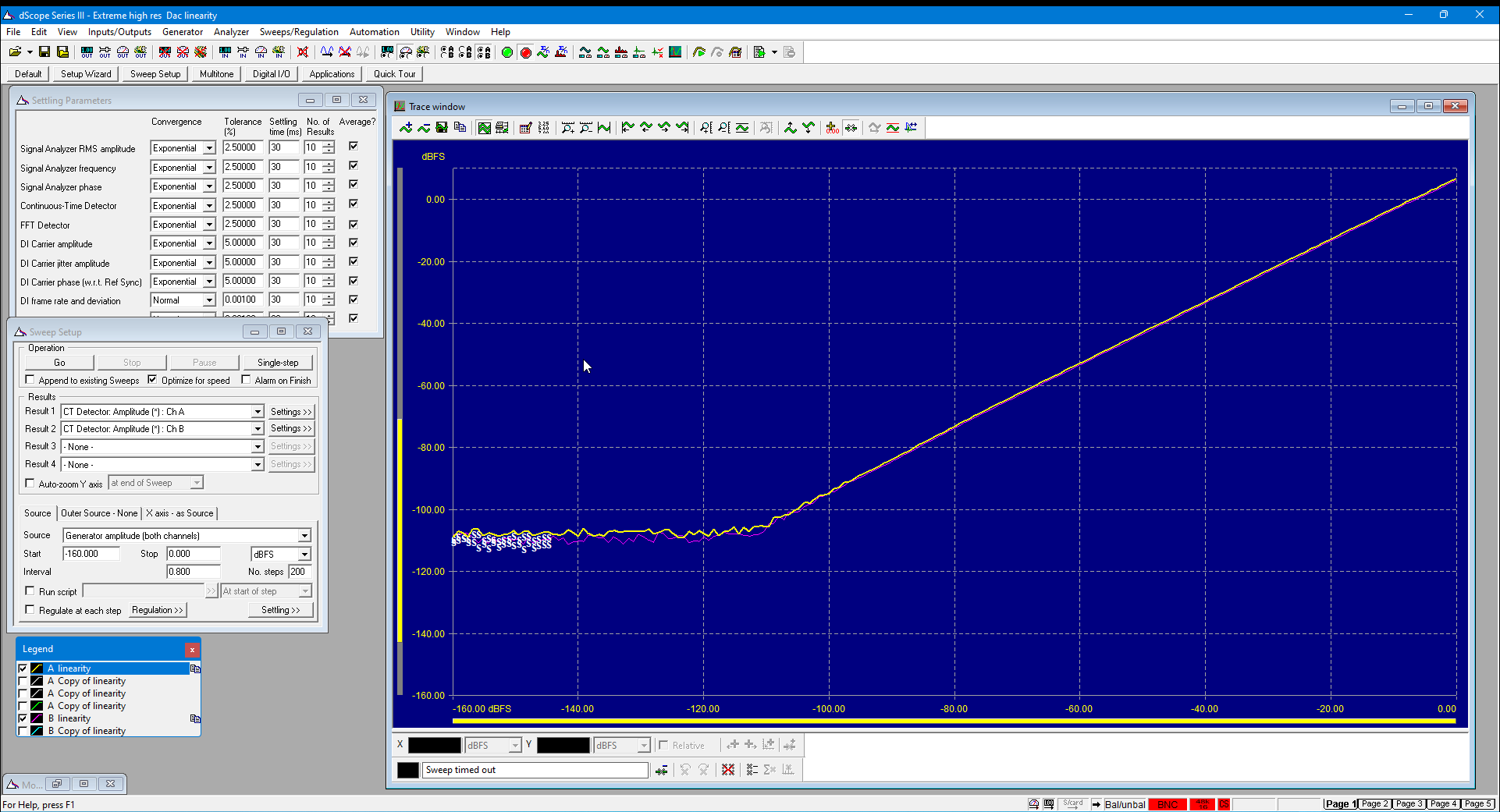
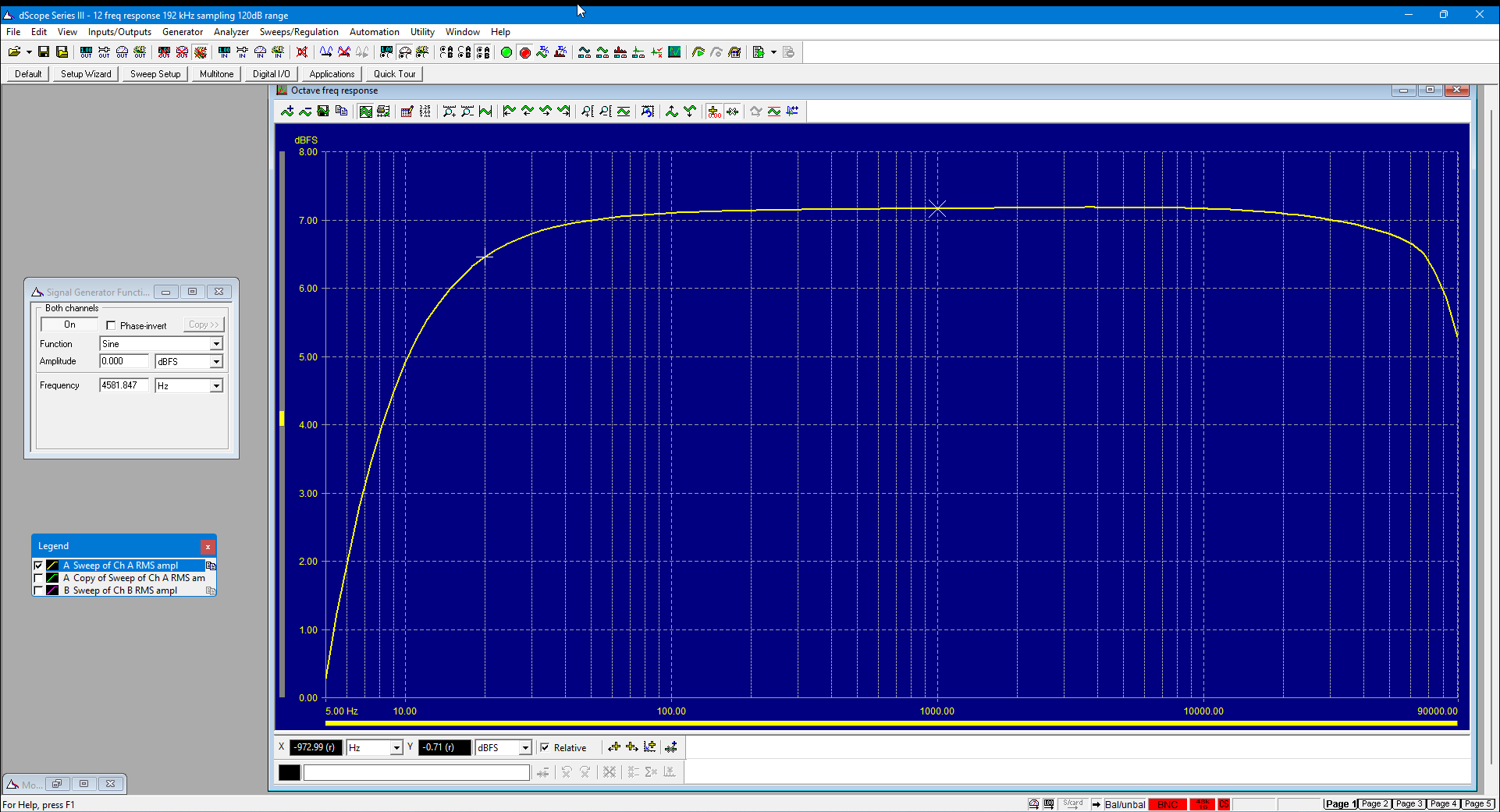
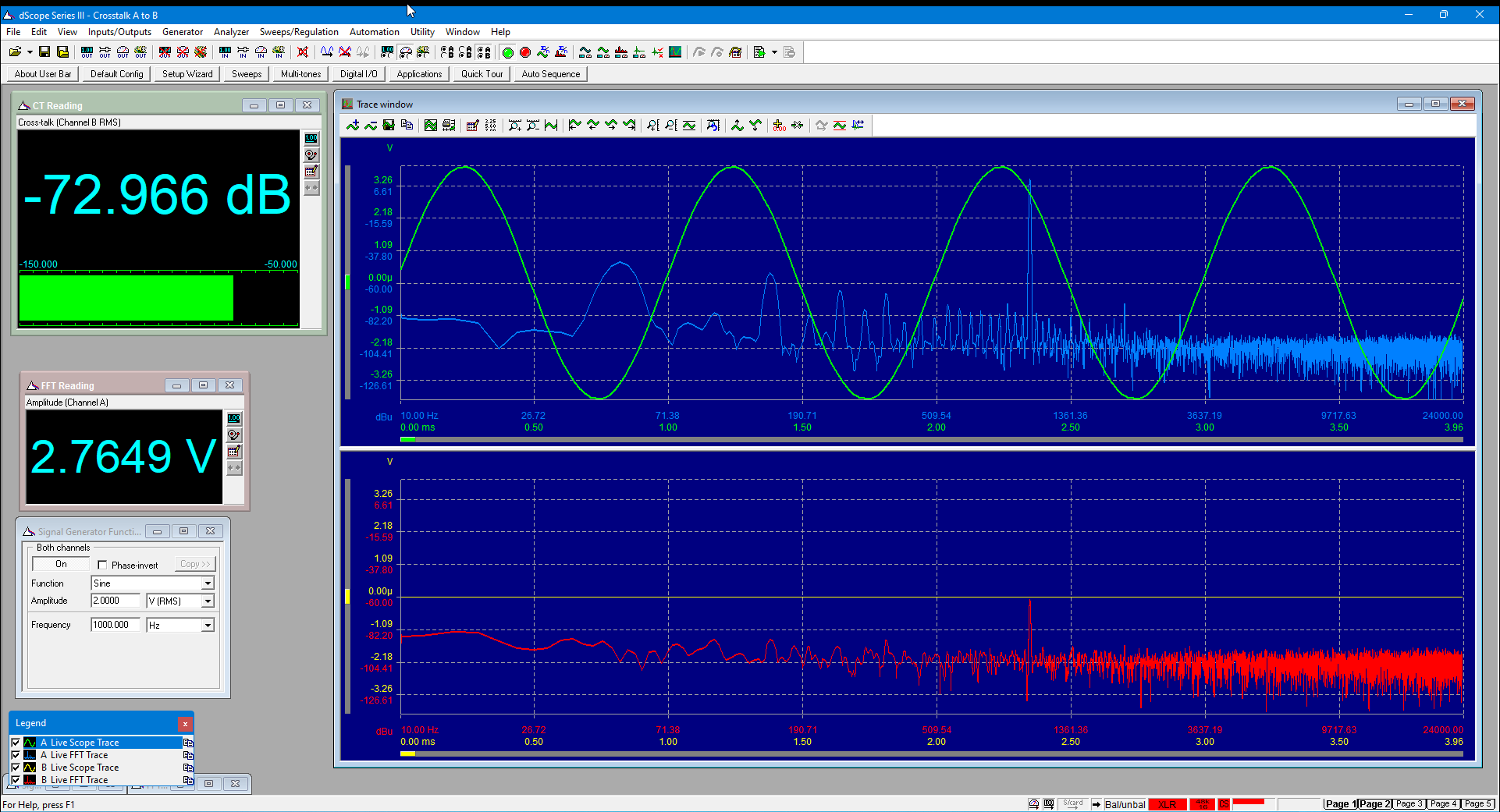
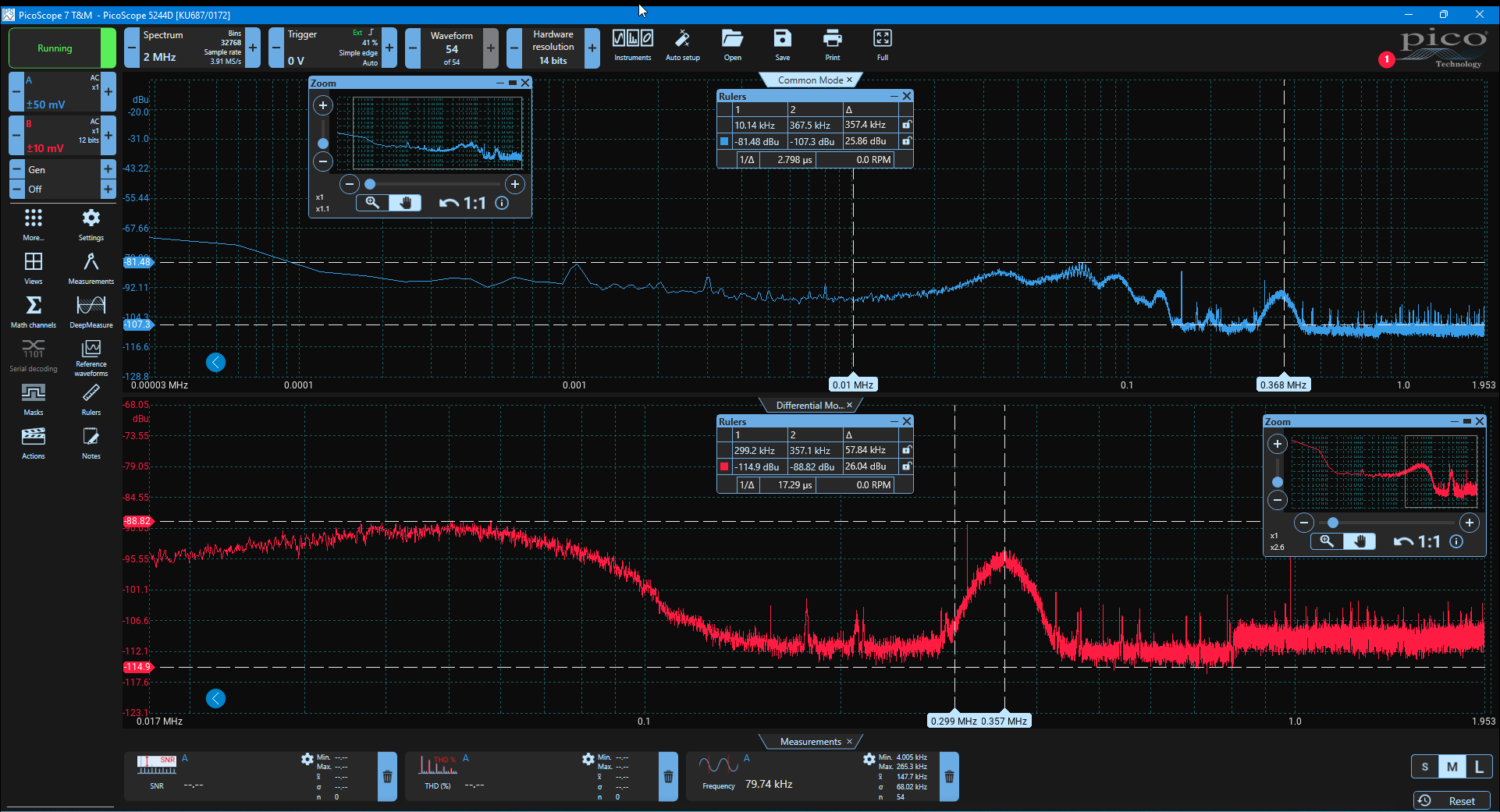
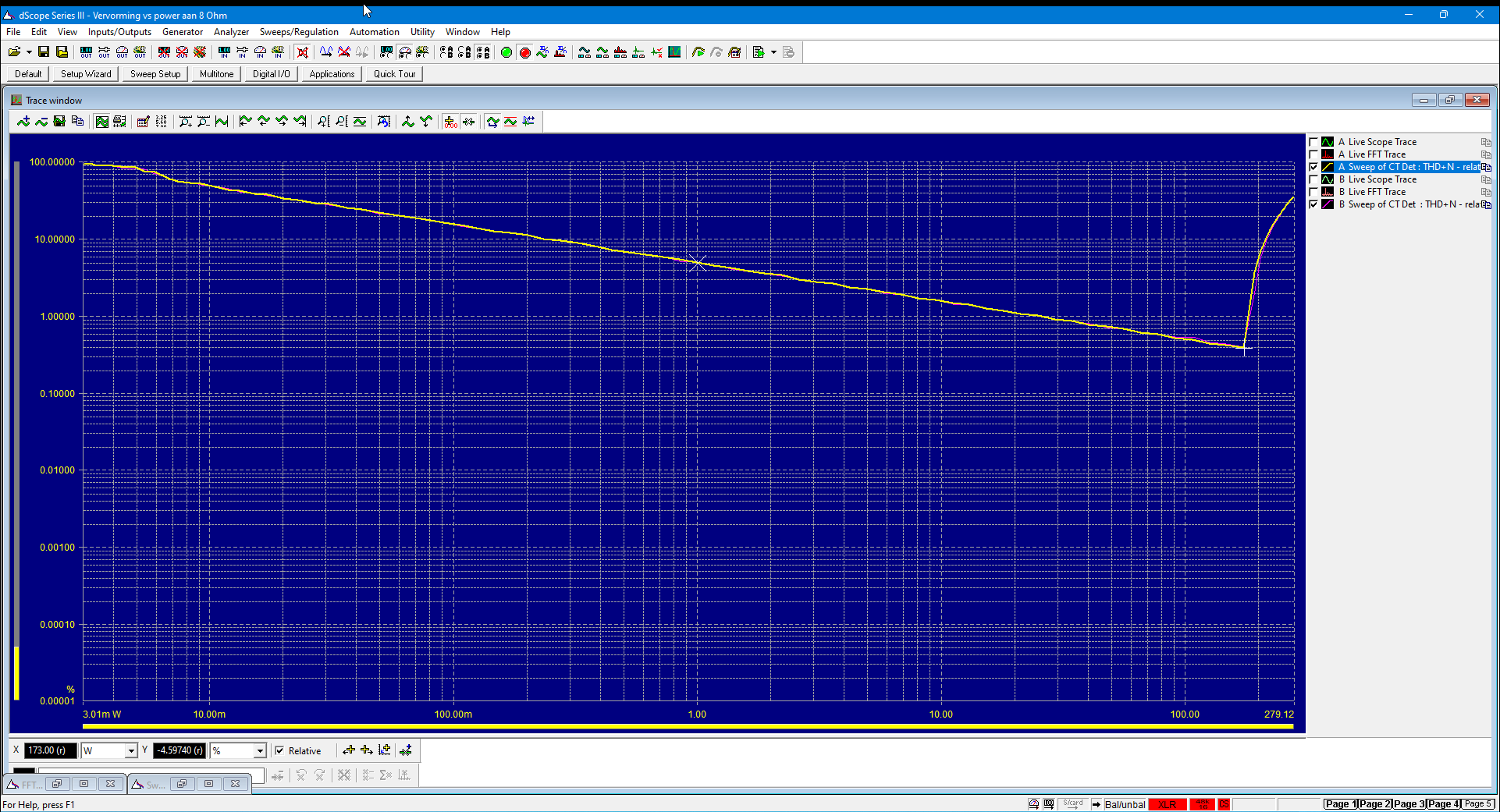
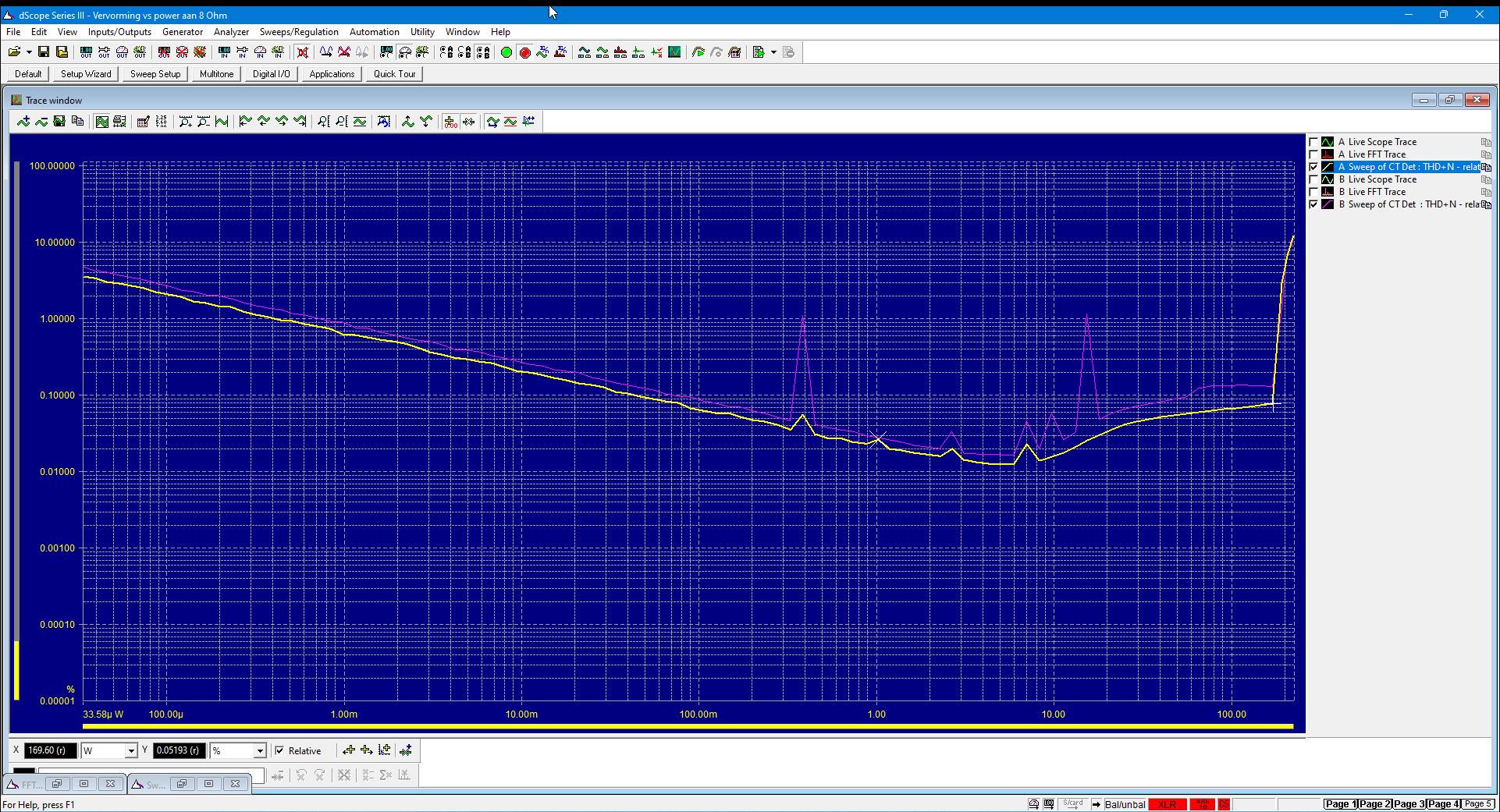
And let’s pay a justifiable compliment: the new, updated dac does not disappoint! Where amplifiers in this segment were sometimes disappointing in this respect, this is simply a very solid digital circuit (as the measurements also show). Compliments. Is it a Sonnet Pasithea? No: but it is simply good. And entirely appropriate to the amplifier. And that’s what matters.
We hear in both cases – through the Pasithea as well as through the integrated dac – an excellent sound stage with lots of space in depth as well as width. And what is especially striking: the stereo image is particularly stable and neatly in focus. Voices stand firmly between the speakers with a pleasant presence without sharpness or edges that do not belong.
Le Vinyl
The Advance A12 can handle both MM and MC cartridges. For MM, the capacitive value can be adjusted, while for MC there is no adjustment option except for a choice between an MC High and MC Low setting, with the boundary being the output volume of the cartridge. Below 0.6mV is the Low output and above 0.6mV is the High output.
With the LeSon LS10Mkii cartridge, the Advance sounds a bit thin and little information comes out of the grooves. The bass is not clearly audible and the treble is a bit thin. It doesn’t sound bad, but one does not buy a MC cartridge for “not bad”. When we compare it to the Primare R35, which we connect to the Advance amplifier with XLR, the difference is clear. Fuller sound, more bass, enormous soundstage, emotion in the music.
We set up the Thorens TD160 turntable with an Audiotechnica AT-VM95E MM cartridge and switch the Advance to MM at 100pF. It instantly sounds good. Admittedly, an MM cartridge does not have the speed and airiness of an MC cartridge, but this sounds balanced, coherent and fine.
Conclusion: for a standard MM cartridge and a nice turntable, the built-in phono amplifier is sufficient and provides many hours of listening pleasure. If you want more, you will need a separate phono preamplifier.
La Polyvalence
In both cases – via the Pasithea and via the integrated DAC – we hear an excellent soundstage with plenty of depth and width. And what is particularly striking is that the stereo image is exceptionally stable and neatly in focus. Voices stand rock-solid between the speakers with a pleasant presence without any sharpness or edges that don’t belong there.
Is the whole thing a bit sweet? Perhaps. But better that than the overly clean and sometimes cold “hi-fi sound” that we hear more and more often. That can work well in the high-end, but if everything isn’t perfect, it can just become cold and sterile. Advance doesn’t go for that, and that’s fine!
Encore: whilst testing vinyl, we also connected the Weiss Helios, which had just arrived. The Helios (review to follow, of course) is Weiss’s reference DAC, incorporating the brand’s nearly 50 years of experience with digital audio. We’ll let you know exactly how the Helios performs, but at this stage we can reveal that the character of the Helios is effortlessly amplified by the A12. We can summarise that the A12 is an amplifier capable of revealing the resolution of different sources. And apparently it adds little or no colouration to the signal.
Does the A12 sound a bit sweet? Could be. But we prefer this to the much too clean and sometimes cold ‘hi-fi sound’ we hear more and more often. This might work in the stratospheric high-end segment, but if not everything is perfectly right, it can just become cold and sterile. Advance does a fine job by choosing a kind of middle way!
By the way, don’t confuse “sweetness” with dull or just overly gentle. The Advance has more than enough power to throw a party. But it is not the English ‘PRAT’ you get from this Frenchman. But hey: tastes are very personal. And people have all kinds of wishes. That is why there is so much choice.
Overall?
Overall, we think Advance has struck a fine balance with the A12 Apex. It’s a more neutral sound than the classic Advance Paris products. And we actually think that’s a positive thing. Not that the “old” models don’t sound nice; they do. But this new Apex series shows excellent balance. Smoothness, openness, clarity in the mids and highs, but no sharpness or edges.
I used to think one MUST have a separate DAC and that’s really not the case. I sold my Holo Audio because whatever is in my M33 does it better. I also used to own the regular A12 and it’s a great gentle giant of an amp with a not very good DAC. This package could be a very nice option, a Sabre DAC makes a lot of sense on an otherwise smooth amp. Not sure how I feel about losing the blue VUs but I guess the black knobs and white lights make it look cleaner and more mature.