



Listening
Contents
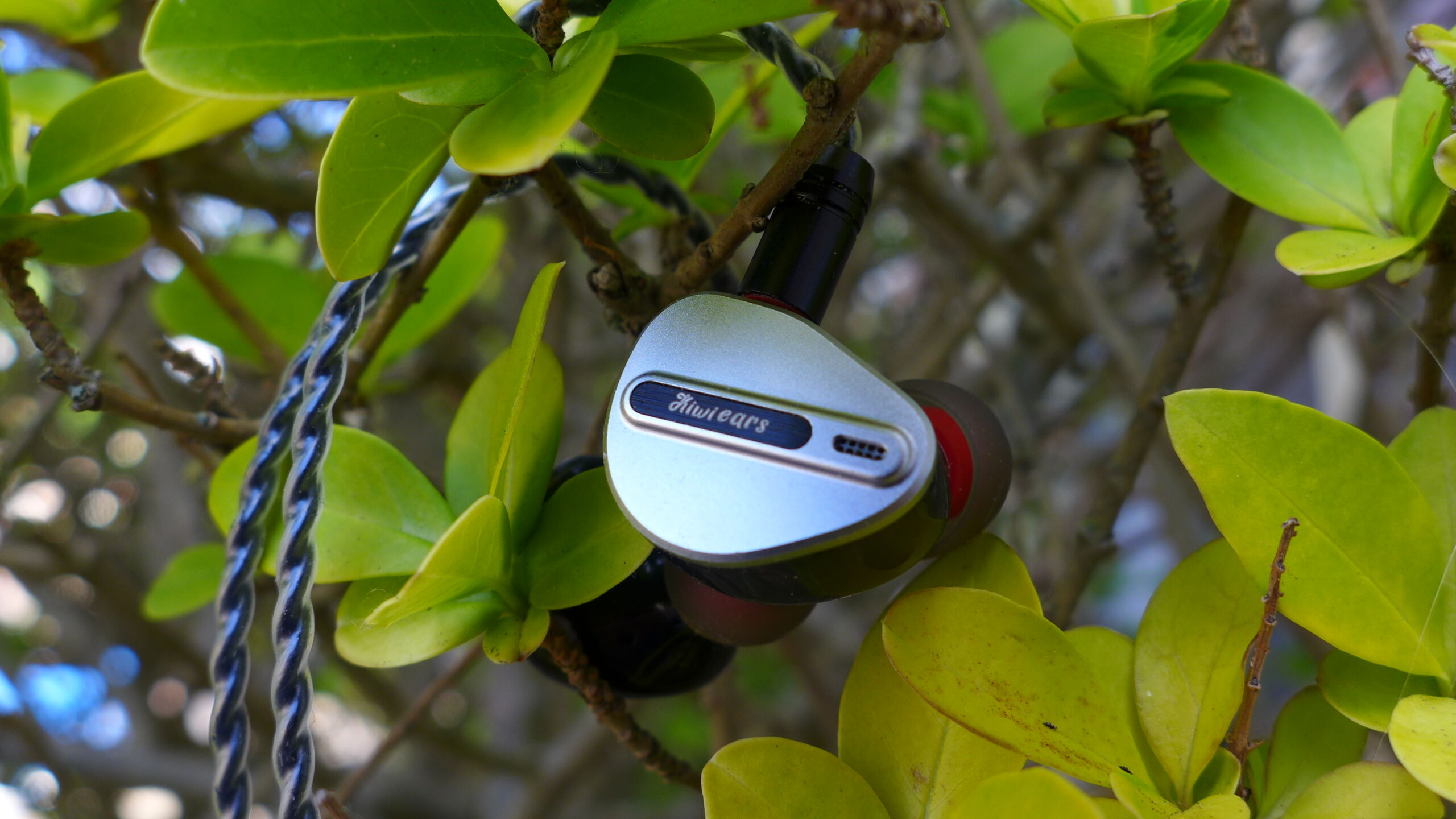
The IEM’s technical design is hybrid, which means that a conventional driver is combined with four balanced armature (BA) drivers that handle the high frequencies. We don’t know any more about the crossover technology used between the hybrid and BA drivers than what the manufacturer says: ‘a combination of physical and RC crossover technology’.
At 12 grams per side, these earbuds are relatively light and have a solid metal finish, which makes them comfortable to wear.
How do they sound?

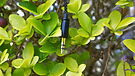
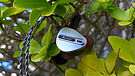
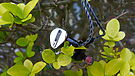
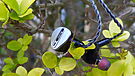
The Airoso sound surprisingly neutral and spacious. Why is that surprising? Most in-ear headphones have a strong bass response due to the aforementioned direct access to the ear. The sound also literally sits between your ears. Some brands solve this by making openings in the earbuds. Kiwi Ears has not opted for this, yet we still experience a precise soundstage. Depending on the track, the sound is about 30 cm away from our ears. We ‘see’ the placement of the instruments, which is unusual for in-ear headphones in this price range.
The second characteristic, the neutrality of sound, is also special and is more common in much higher-priced in-ear headphones. The Airosos are particularly strong in the midrange and what I would call the lower end of the high frequencies.
This is best illustrated by the way Jacques Loussier’s version of Bach’s Little Fugue in G minor is presented. The kick drum that plays solo at the beginning sounds like a live kick drum as I hear it in the studio. No all-enveloping ‘thump’, but a beater striking a large drumhead. The double bass is audible in many textures: pointed, soft, growling, and we can hear the interaction of the bassist’s right hand with the strings. Beautiful. The piano sounds like a piano. That sounds like a cliché, but we know that this recording is merciless to systems that reproduce the soundstage ‘larger than life’. This gives the piano otherworldly dimensions, which is not what we want. The reverb is also as it should be. We hear this track ‘comme il faut’.
Citizen
Following a tip from our colleague Martijn, a few months ago we started listening to the compilation edition ‘Citizen 1972-1980’ by Steely Dan (and to be honest, never stopped listening). This is a CD box set in which all Steely Dan albums from this period have been remastered by Glenn Meadows. From the debut album Can’t Buy A Thrill to Gaucho, Meadows first re-digitised the masters and then remastered them. Not that the original studio takes, mastered by the legendary Roger Nichols, were bad; the Glenn Meadows masters are just different. Meadows worked in Nashville throughout his musical career and was the mastering engineer for countless country albums. Artists such as Taylor Swift, Dan Fogelberg and Shania Twain are associated with Meadows.
The difference with the masters by Roger Nichols is subtle and a matter of taste and what we as listeners want to hear. Nichols’ mix excels in detail. Every instrument, every riff is audible, the EQ is spot on. Just as we are used to from Steely Dan. At first listen, the Meadows mix sounds a little less spectacular.
But after a while, we notice how coherent the music sounds; it’s more like a band is playing, whereas with Nichols it’s more the virtuosity of the individual instruments that comes to the fore. This makes it impressive but also busy. Meadows’ mix brings it all back to basics: a band making music. It is mainly the early albums that benefit from the Citizen remaster. Familiar tracks such as Rikki Don’t Lose That Number sound fresher and are pleasant to listen to time after time. It is mainly the rhythm section that comes across as more compact and therefore more rhythmic in the Meadows remaster. The bass is rounder, the drums sound like a drum kit where not every part is amplified.
We can hear all of this very clearly on the Airoso’s. We played a lot of Steely Dan during the test period, and what struck us in the studio also comes through in these in-ears. The differences in musical texture, soundstage and detail are reproduced beautifully.
(ear)tip: https://aartjan.nl/blog/tpe-eartips/