




Measurements and conclusion
Contents
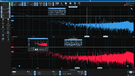
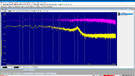
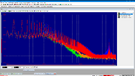
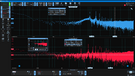
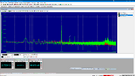
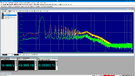
We measured the Puritan PSM 156, of course. We noticed a few things. By itself, the Puritan filters nicely. Especially considering the price, we see that it does a pretty effective job. However, there are a few standouts.
DC is still an issue. If we add 1V DC with the AC generator, we see the distortion increase quite a bit. So the question is: how much DC can the Puritan handle?
Also, in the “field test” on the Bryston amplifier, we see that a bump is added. Between 40 and 50 KHz we see noise added. This is crazy and should not be, since this is a measurement at the speaker output! So… there really is audible noise added.
We also see – despite the story about individual filtering per output – that noise does leak from one connection to the other. If we measure any output and then connect a switching power supply to the filter, we see that the noise increases enormously. This should not be the case if contamination per connection were stopped.
Conclusion: yes … the Puritan effectively filters noise. That is simply measurable. However, we also see some things that they claim but that we do not see on our test bench. That may be due to our test setup. After all: there are multiple methods of measurement.
Was this unit burned in or brand new?
Slightly off topic, but has anyone had any burning in experience? After nearly 17 months my listening room is finally done. All my new products such as Furutech Rhodium forks, Rhodium plugs and Synergistic research are ca 60 hours on burn in. Everything sound shit, thin, and very bright. Also my system had been switched of for 17 months. I’ve heard the Rhodium burn in period can be very tough psychologically.
Honestly… Rhodium actually sucks. It can sound harsh and thin. If you can compare it to pure copper or silver….try that. And yes…. It needs a lot more. 200 hours at least.
Do you mean that Rhodium sucks even after burn in??
My opinion: in most cases it sounds less ‘organic’ and fluid than pure copper or silver. Yes.
Interesting! Rhodium is all the rage provided you can with stand the long burn in period. Guess i’ll have to waste money on buying gold and silver and find out what i like for myself. The down side of an audiohpile, it’s costs to try all the fun stuff.
It is.. 🙂
Was this a new unit or was it a show model/already used unit? I ask this because this puritan does need a lot of hours for it to be broken into. If you test a new unit vs a already used one you can clearly hear major changes on both. By this review it does look like this puritan can produce very mixed results depending on the setup. On my case, i’ve prefered the puritan to conditioners up to 6K, including two much more expensive isotek models.
This unit smokes my relatively expensive Furman.
Cool. Glad it works out good in your case!
Interesting review/measurements. I’ve had very good experiences with Puritan conditioners across the board. I’ve found they improve with an outboard ground—I use their CityGround since I live in a condo. The ground is inexpensive enough that I consider it a mandatory part of the system. It makes a difference—it would be interesting for you to use their ground and see if it resolves your issues.
Thanks for the addition!
Hello,
You say “reclocker / ref-clock are not useful, because they need to stabilise”.
Could you explain?
Thank you
Jacques
For testing purposed it is not useful. Clocks need to stabalize after they have been turned off. Some will stabalize quickly, others need 10 to 15 minutes to stabalize again. That is very inconvenient if you want to compare gear.