





Measurements and conclusion
Contents
We also measured this duo through in the lab. These measurements were done on a Prism (what’s in a name :-)) dScope III, Tekbox LISN and Picoscope 5000 series.
Primare Pre35
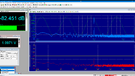
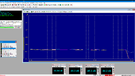
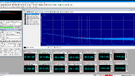
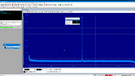
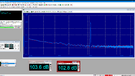
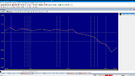
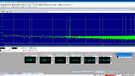
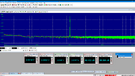
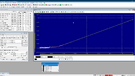
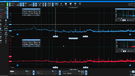
The Primare Pre35 scores nicely in our tests. Distortion is low (0.05% at 2V out) and noise is also low with a noise floor around -120dB. The A35 is slightly above that – as you will see later – at around -110dB.
The dynamic range of the dac is 103dB approximately. Our linearity measurement indicates that from about -125dB the dac picks up and starts doing its job nicely: that’s about 21 bits, which is neat. Jitter – measured with the JTest – is 14ps. Measuring directly on the crystal will give better results, we think. As often reported, we’re not a fan of the JTest.
Crosstalk could have been better in our opinion, though. The A35.2 scores better there, too. We wonder why.
Primare A35.2
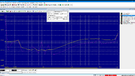
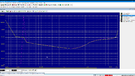
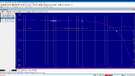
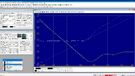
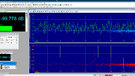
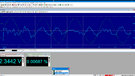
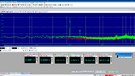
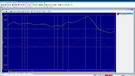
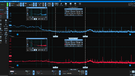
The Primare A35.2 scores nicely in our measurements. Distortion is low – not very surprising with class-D – and power is met nicely if we keep 1% distortion. We usually measure at the crossing-point, but the bulk of manufacturers keep 1% THD.
The noise floor up to 20 KHz is tidy. After that we see a bit more “grass”. It is notable that Primare – it seems – does not use very much feedback. Perhaps to make the behavior a bit smoother? In any case, we see less feedback than with Hypex or Purifi. Also, we don’t see any 50 Hz hum at all, which is nice.
Response, bandwidth and phase are neat and slightly above expectations: the response is nicely straight and the bandwidth is large for a class-D! Phase is -20 degrees at 20 KHz, which is fine for a class-D amplifier.


