



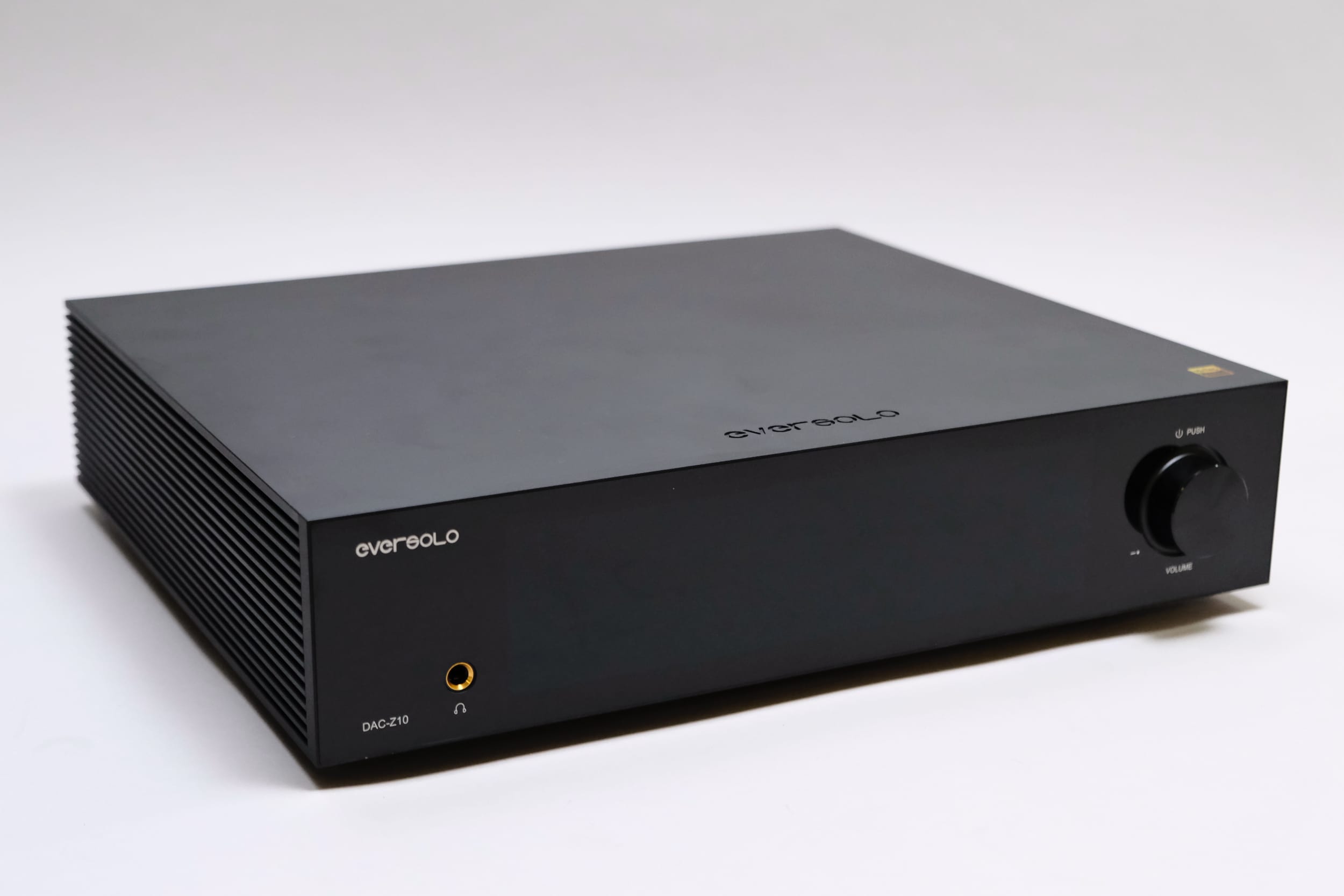
Listening to the Eversolo Z10
Contents
The typical AKM sound is present, which is especially audible in the reproduction of a grand piano. AKM advertises it as ‘Velvet Sound’, and indeed, the word velvet is an apt description. This is particularly audible in the mid and bass frequencies. It is literally as if a velvet layer is added to the sound, but not in an unpleasant or exaggerated way. The velvet sound is a touch warm, but applied very sparingly. It remains an open and transparent sound.
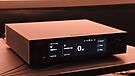
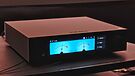
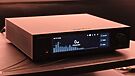
Compared to the Sonnet Pasithea in Haarlem, the Z10’s presentation is on par in terms of timbre, speed and precision. It is eerily similar in any case, this AKM DAC is top notch and Eversolo has fitted it well into their design.
The soundstage of the Eversolo Z10
Music is projected wide, with sufficient depth. Individual instruments and voices are well placed and clearly delineated. It is as you expect from a DAC with this price tag. A relaxed sound is produced, it never falters and when a violin screeches you get to hear that too.
It is not the most energetic playback, but it is not dull either. While listening, one gets the feeling that Eversolo is deliberately offering a DAC which seeks the middle ground sound wise, so it appeals to a wide audience.
CD or streaming?
It certainly is recommended to hook up a CD transport to the Z10. It gives a very fine listening experience. Never intrusive, finely detailed and different from what streaming sources let you hear.
USB, AES/EBU or I2S?
The three connections were tested with a Volumio Rivo and an Eversolo T8 streamer. For Volumio, oh irony, the ‘Gustard’ configuration of the I2S connection must be selected in Volumio’s software.
With I2S and AES/EBU, the streamer’s clock is leading, with USB the clock of the DAC.
The tracks “A Boat To An Island On The Wall” by Ben Howard, “Reckoner” by Radiohead and “Train to Kyoto” by Vega Trails were used.
With the Rivo, USB sounds less full and rich than with AES/EBU or I2S. AES/EBU clearly has a better focus than I2S. With I2S, the soundstage grows, but also becomes a bit fuzzy. ‘Reckoner’ in particular sounds better with AES/EBU, with more layering in Thom Yorke’s voice. It is mainly the flow, the rhythm in the music where a dash of oil has been added, making it all sound smoother, freer and more fluid. The difference is not huge, but it is just that one step better.
Using the Eversolo T8, the difference between I2S and AES/EBU is again the same in the difference in soundstage and focus. Probably the cables play a role here.
With USB from the T8, it sounds more precise, the saxophonist’s breaths in “Train to Kyoto” are clearer in structure, the saxophonist’s onsets are more precise and clearer. The music has a bit more flow here, the aftertone of the double bass is better, but especially the precision of the vibration of the strings of the double bass stands out. The soundstage also radiates more calmness.
The clock implementation of the Z10 may be better than that of the T8, but it seems more likely that the Z10 has more power to reproduce the transients well and this is reproduced better in the overall signal path.
Choosing ‘the best’ connection depends on the source used, the DAC used and the cable used. On the Eversolo Z10, all three connections are on par. Use your ears when making your choice and do not doubt your own preference.
What about the FPGA?
Differences are audible when the ‘clockshape’ function is switched on. In none of the sources and files tested was the effect very clear, and in all cases, listening without this feature was preferred. But your preference may be different.