




Measurements on a power conditioner
Contents
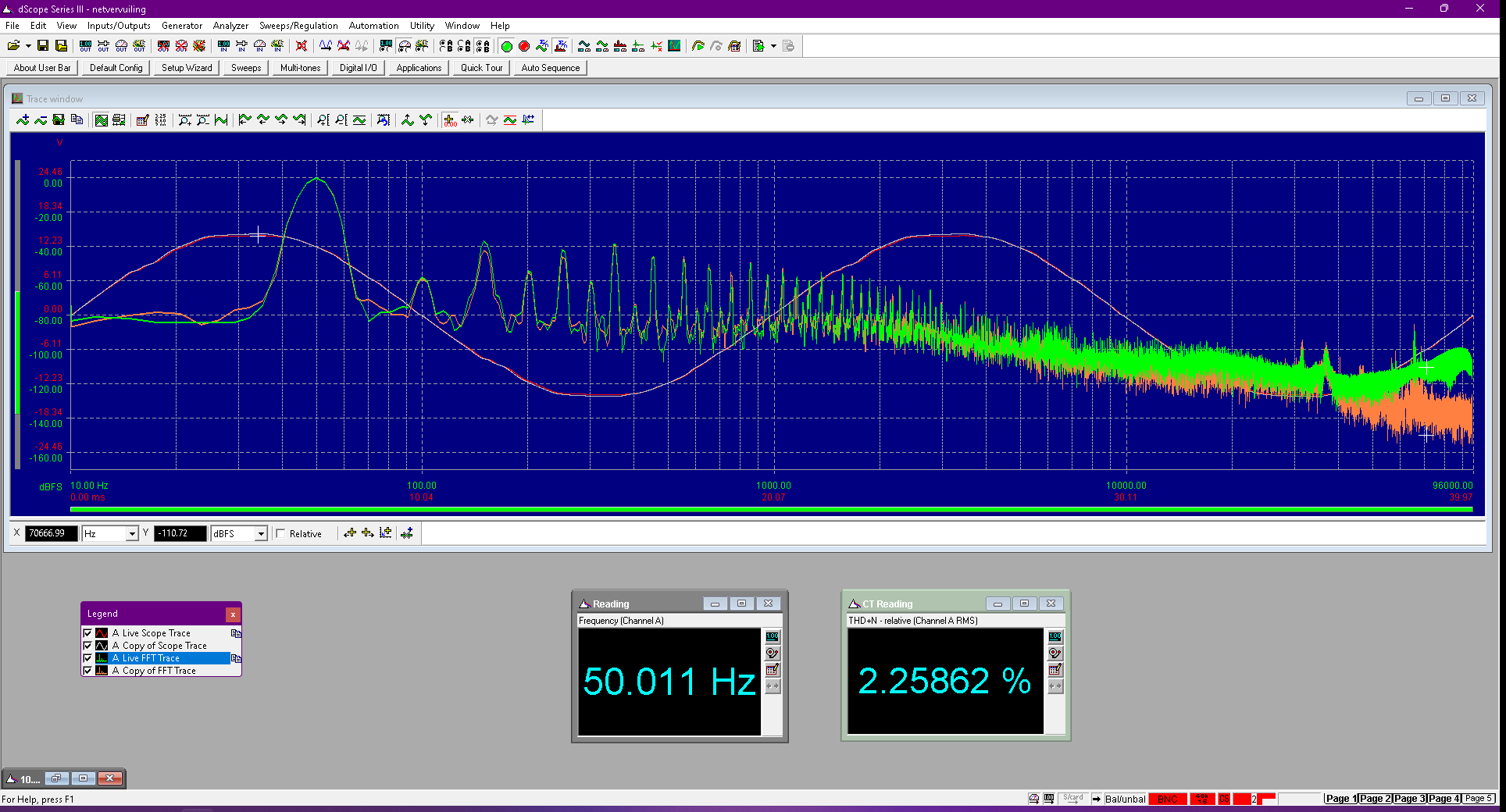
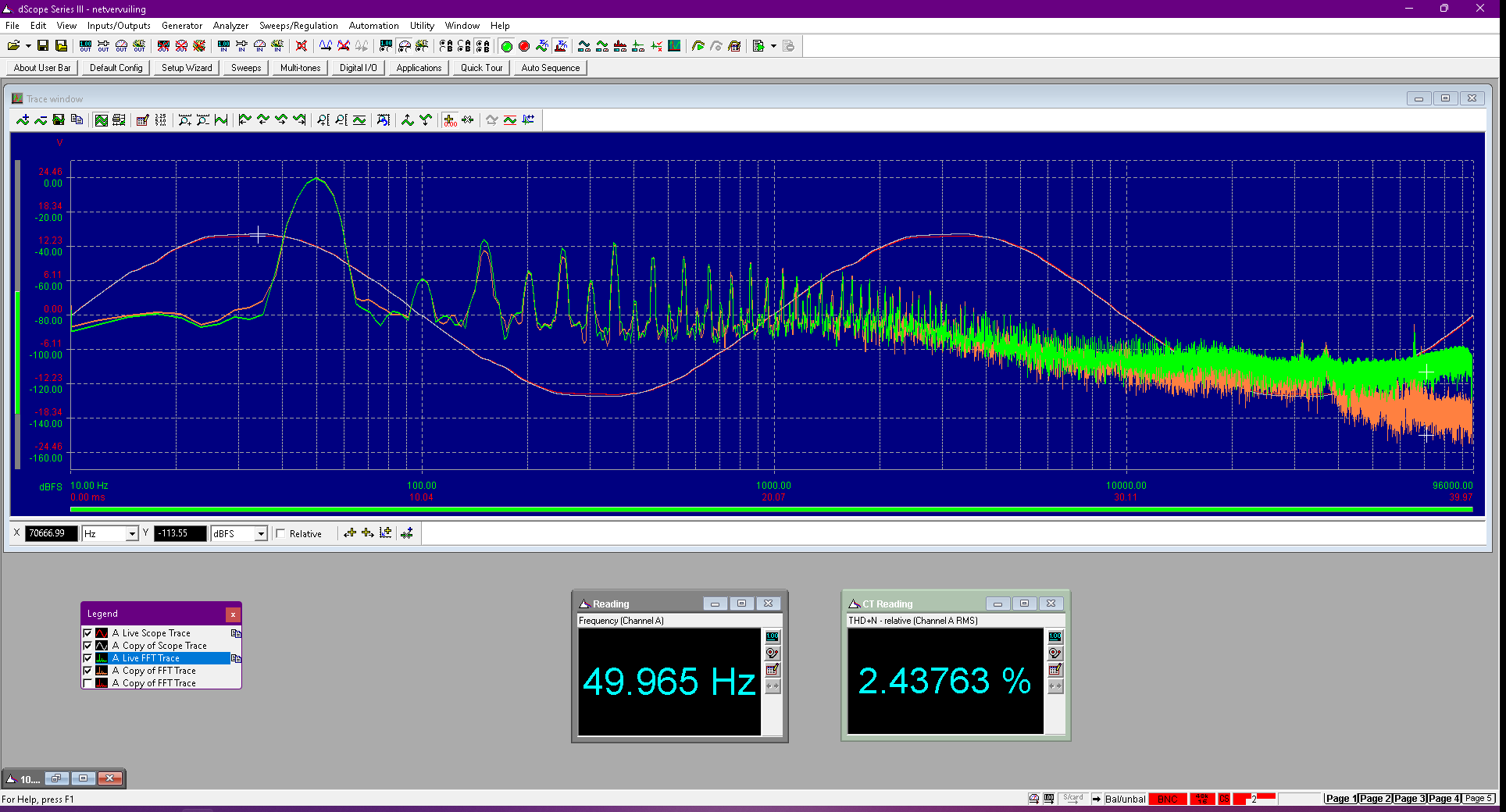
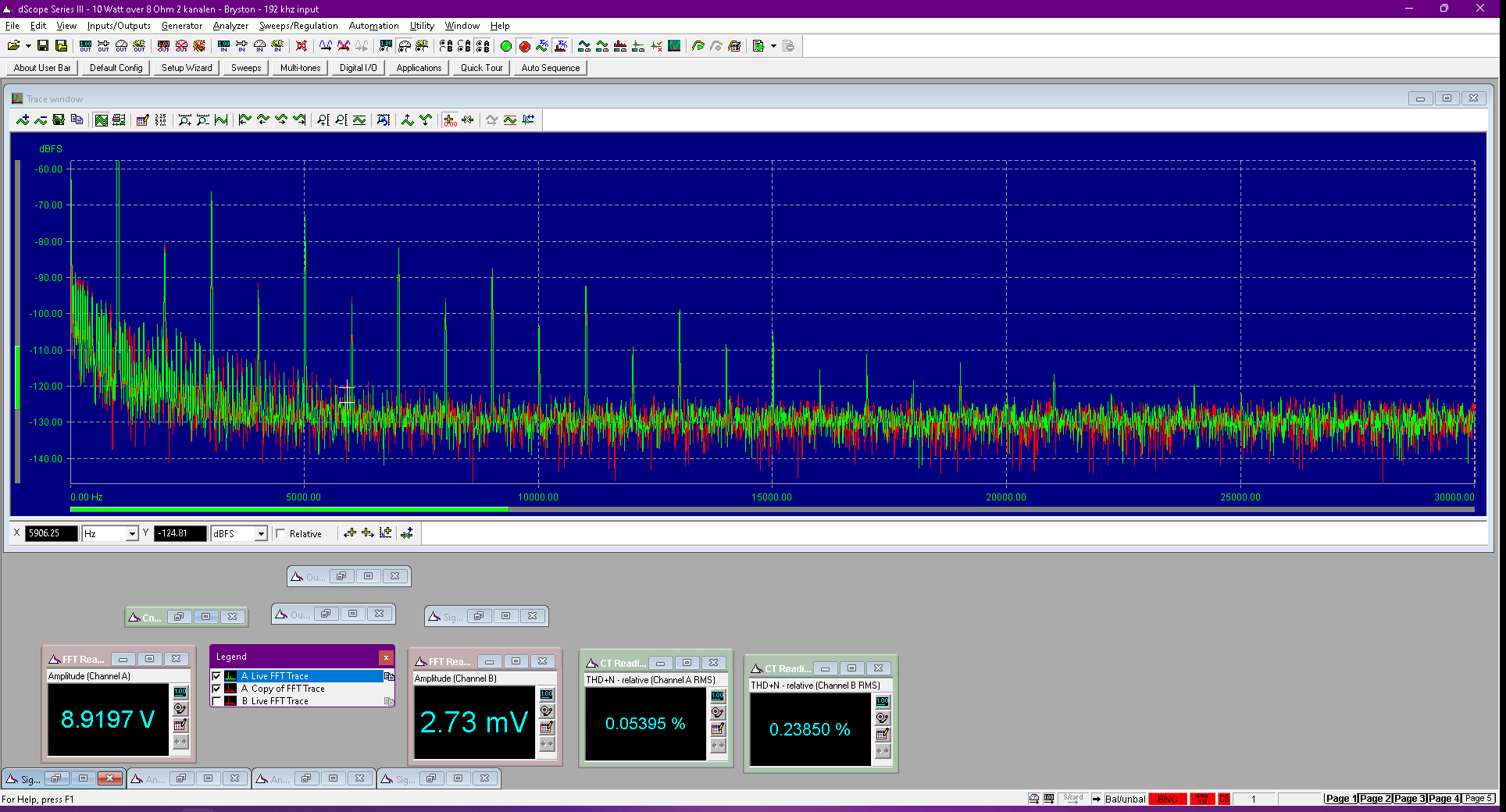
Let’s start by saying that it is very, very difficult to measure power conditioners. Once conditions and devices change, measurements change. Know this. We tried measuring the influence and performance by creating two set-ups. One set-up measures pollution directly on the grid and plots the data in the FFT analyzer in a bandwidth of 0 – 96,000 Hz.
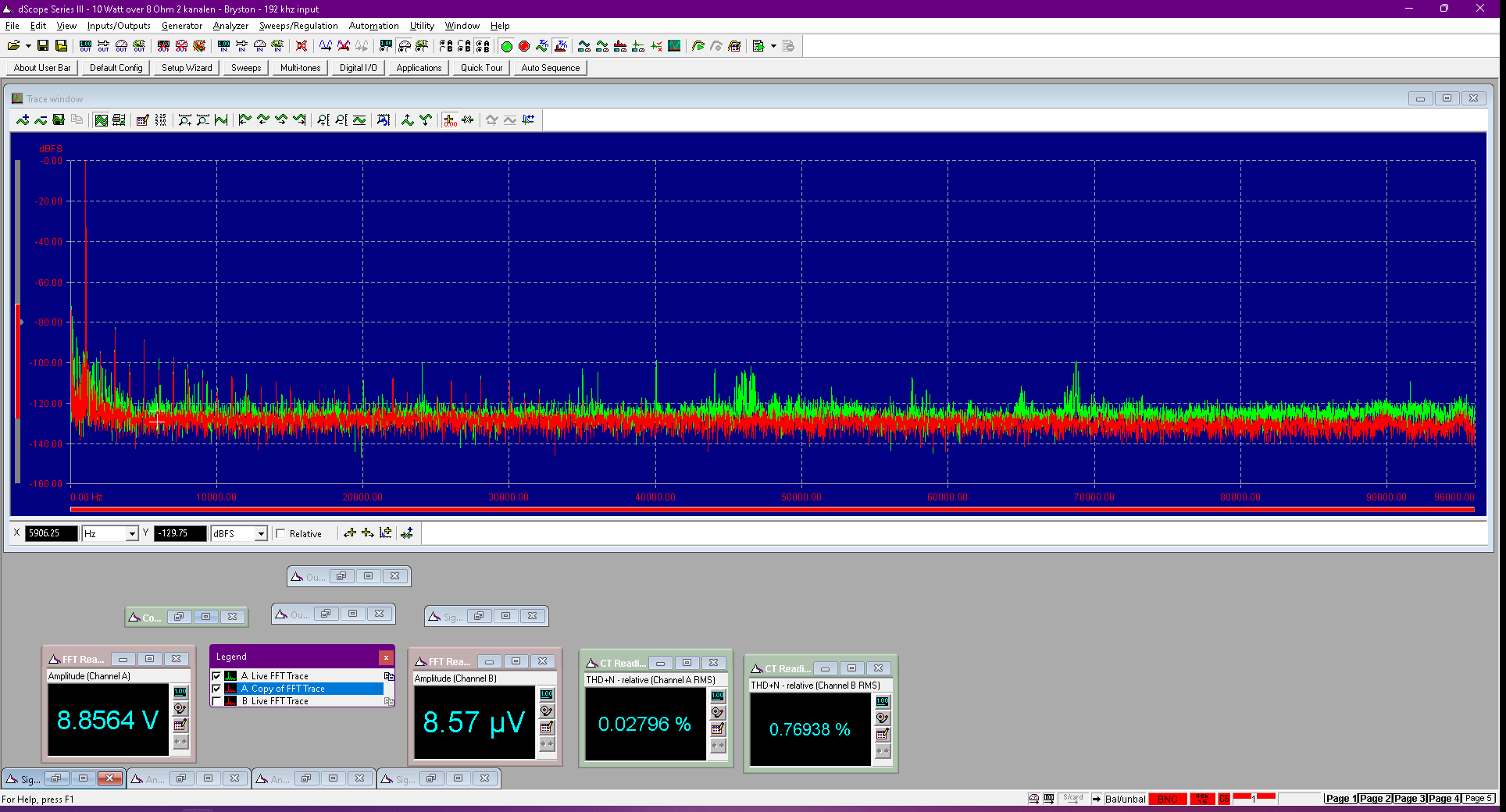
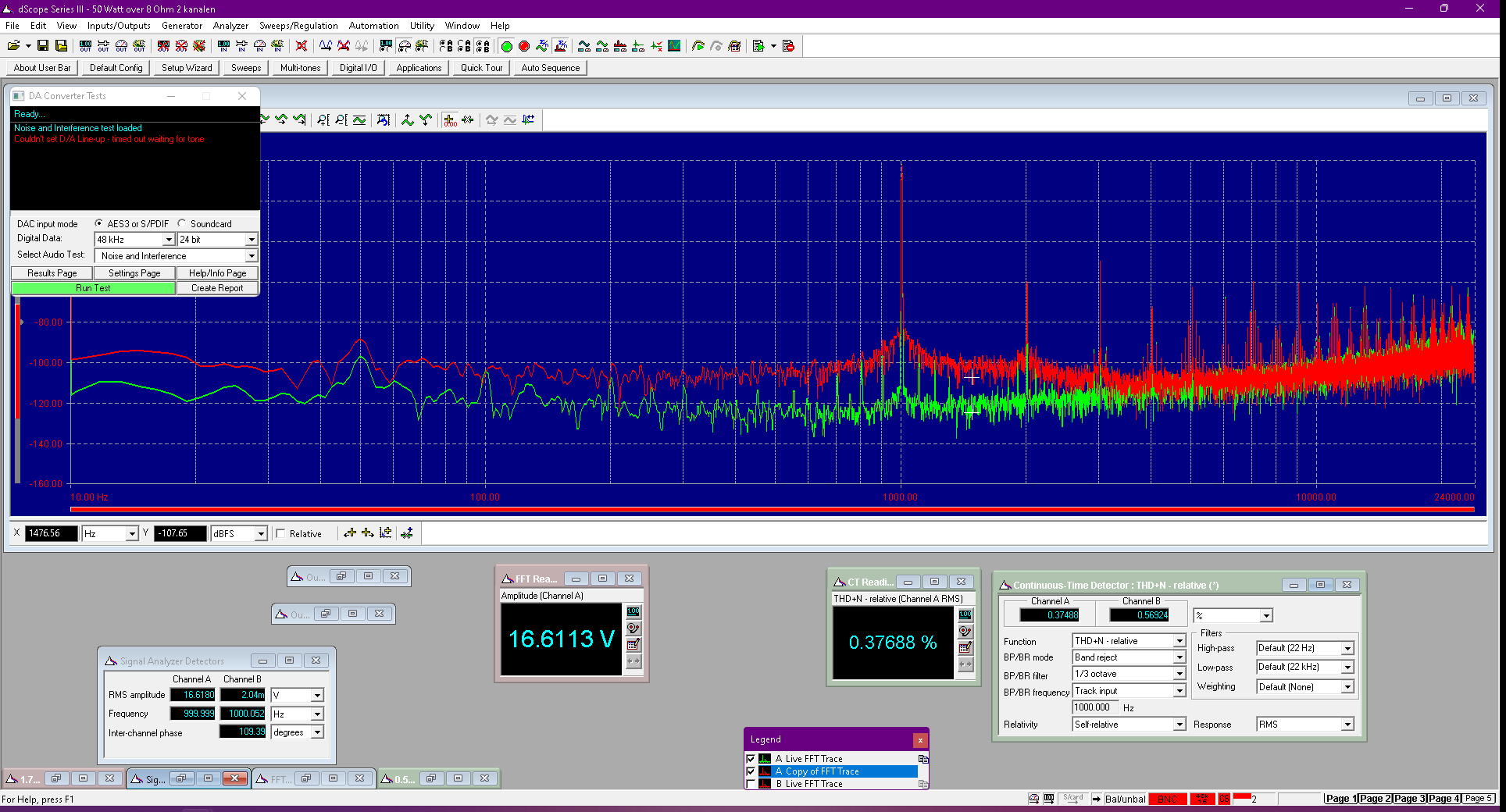
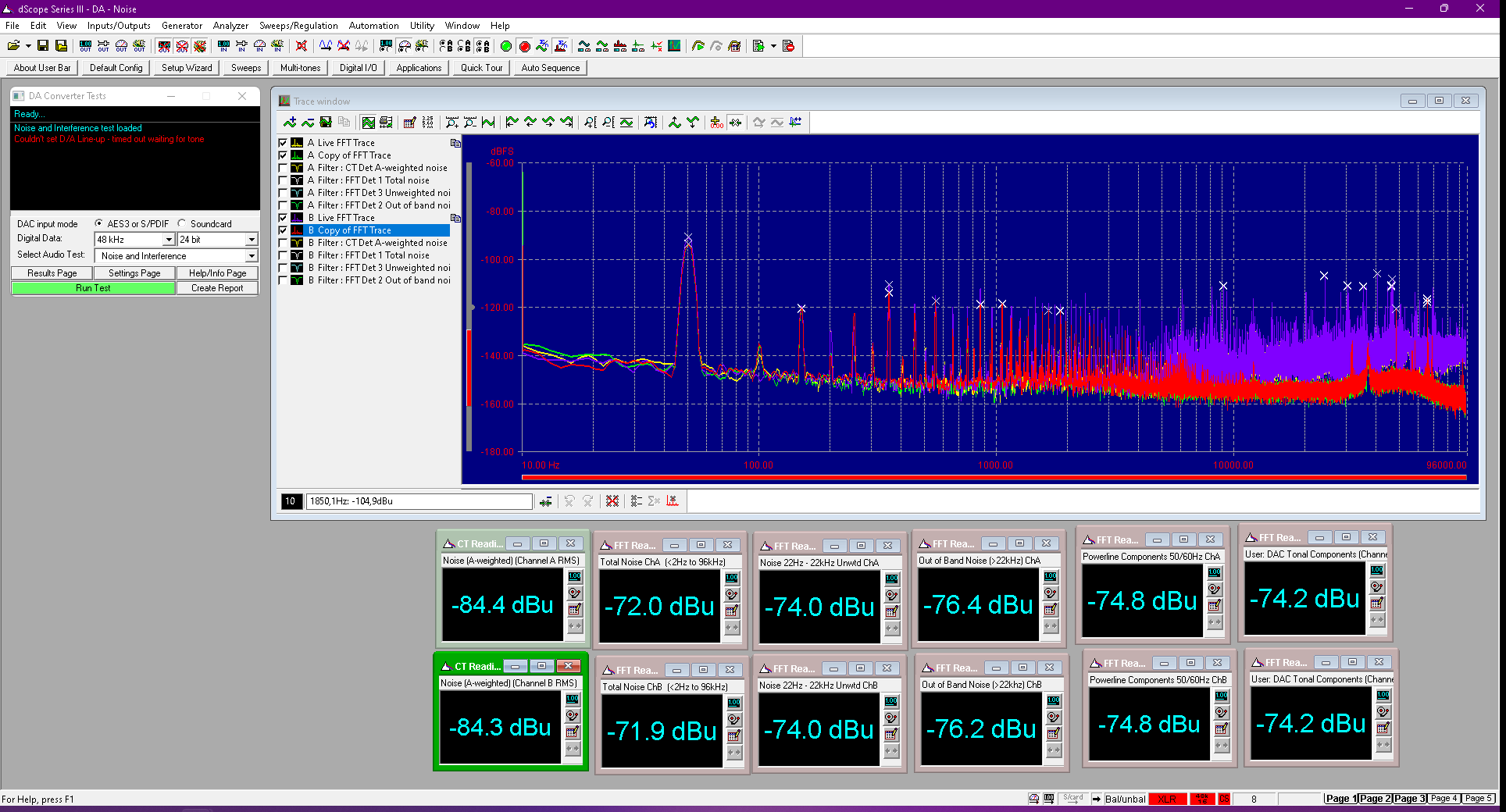
The other set-up measures “behind” an audio-device. In this case three types of amplifiers and a dac. The issue here is not which amplifiers and dac, but purely whether it is visible in the measurements. All measurements are made with the PliXir BAC3000.
What we see with the – older – class D amplifier is that the noise immediately drops tremendously. With the DAC we see that too, but more in the higher frequencies. So more from 8 kHz to 96 kHz. With the class D amplifier the noise drop is more to 2000 Hz (forget about the overlay screen with ‘noise and interference… it does not belong to this screenshot). These are the two easiest examples, because with the other devices the differences are more subtle.
We have measured two other amplifiers during our research and measurements over a wider frequency range (the first measurements were up to 24 kHz, the newer ones up to 96 kHz because the noise can often pop up a bit higher in the band as well).
There, with the first class AB amplifier, we see an overall drop in noise and a few spikes that fall away. Subtle, but reproducible. With the second class AB amplifier, it’s deeper. But again: subtle, but reproducible.
What this shows is that the effect of a filter can indeed be measurable. However, it is difficult and does not always work with every device. And it shows that measuring directly into the wall is not sanctifying. Unfortunately. Yes: on the EMI meter the noise drops. But which noise? In which spectrum? kHz? MHz? GHz? Because we have seen on the scope that HF-noise does drop, but that noise does surface elsewhere. And depending on the load, that spectrum shifts. That’s why a filter sometimes does and sometimes doesn’t match well.
We hope this has provided some insight.
For sure, Balanced/Symmetrical AC Power Supply’s (“Conditioners”) come highly recommended.
Sound quality improvements are considerable, particularly LF performance (definition/resolution), mid-band clarity and dynamics. And all components (amps/per, source, DAC’s, Streamer’s) benefit. However, it’s best to consider two Balanced units (one for analog, other for source/digital) for best sound..
pete jasz
Any plans on testing the PS Audio P20 powerplant?
We really want to. But the importer is kind of lazy…
Power Plant (lowest power) powered Digital (DAC’s/CDP’s/Clock’s)
provides immense gains in performance/SQ.
pj
I totally believe it. It’s been a long time since Ive tested a PSAudio PP.
For sure, Balanced/Symmetrical AC Power Supply’s (“Conditioners”) come highly recommended.
Sound quality improvements are considerable, particularly LF performance (definition/resolution), mid-band clarity and dynamics. And all components (amps/per, source, DAC’s, Streamer’s) benefit. However, it’s best to consider two Balanced units (one for analog, other for source/digital) for best sound..
pete jasz
Any plans on testing the PS Audio P20 powerplant?
We really want to. But the importer is kind of lazy…
Power Plant (lowest power) powered Digital (DAC’s/CDP’s/Clock’s)
provides immense gains in performance/SQ.
pj
I totally believe it. It’s been a long time since Ive tested a PSAudio PP.