




Measurements and conclusion
Contents
We measured the Silent Angel Bonn NX (and FX and GX) in the same manner as the other switches. We tweaked the setup a bit further, allowing us to get even deeper. However, these results are no longer comparable one-to-one. We therefore also share older results.
Noise measurements
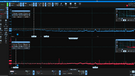
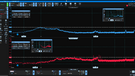
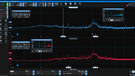
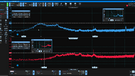
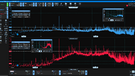
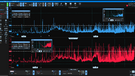
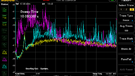
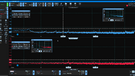
This measurement was done with a Tekbox LISN, Tekbox splitter for common mode and differential mode noise, a Picoscope 5000-series scope and a splitter for the network (T8 CDN).
What is noticeable is that the noise floor of the Silent Angel Bonn NX is already very low. If we inject noise with a Rigol generator, of course the noise does rise, but that always happens. What is noticeable, however, is that the location of the connection does matter. If we inject the noise right next to the other port, the noise is much higher than if we take port 1 and 8. So it does pay off, for example, to grab port one for the “internet connection” and port 8 for the streamer. Also, preferably do not connect other things.
The Silent Angel Forester FX shows neat results if we measure it stand alone. However, the noise does not drop immediately when we connect the Forester. In fact, the noise mostly shifts. The “bump” at the beginning disappears, but we get something else in return. This is almost certainly a problem with the ground-connection, but it does show that pairing multiple devices does not immediately give better results: you have to start taking other things into account as well, where properly grounding them becomes very important.
Jitter and Phase Noise
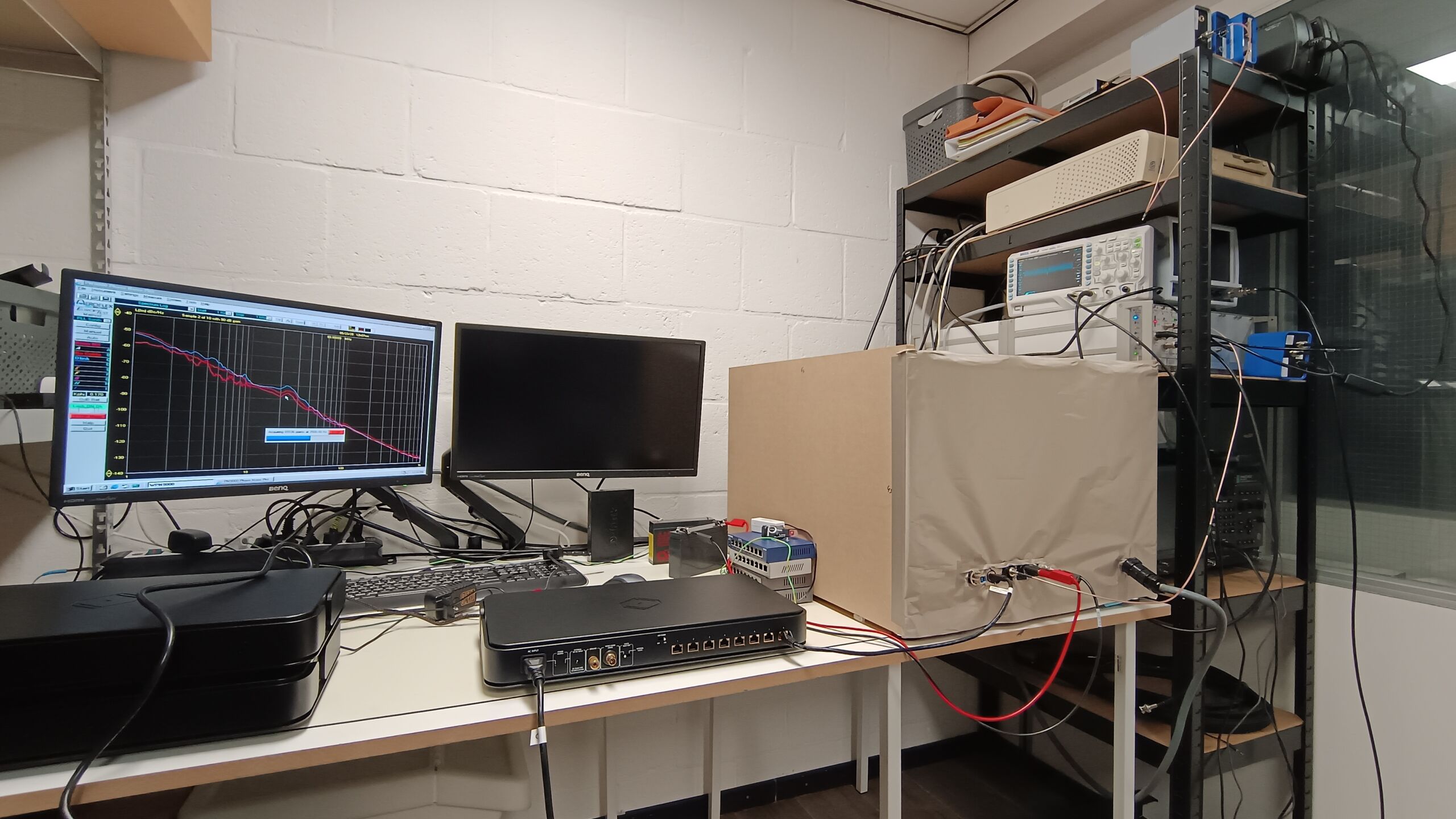
Phase noise and jitter were measured with our Wavecrest SIA3000 and Aeroflex PN9000 with Axtal reference crystal. The Volumio was placed in the RF shielded box and measured on the 100 MHz crystal which drives the dac. The GX clock was measured directly on the Wavecrest SIA3000.
The new setup uses an Sbooster power supply on the active probe. This appears to work better (more stable and less noise) than a battery. However, we also added the old measurements to keep it comparable to other measurements.
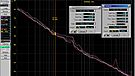
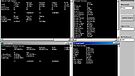
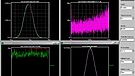
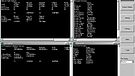
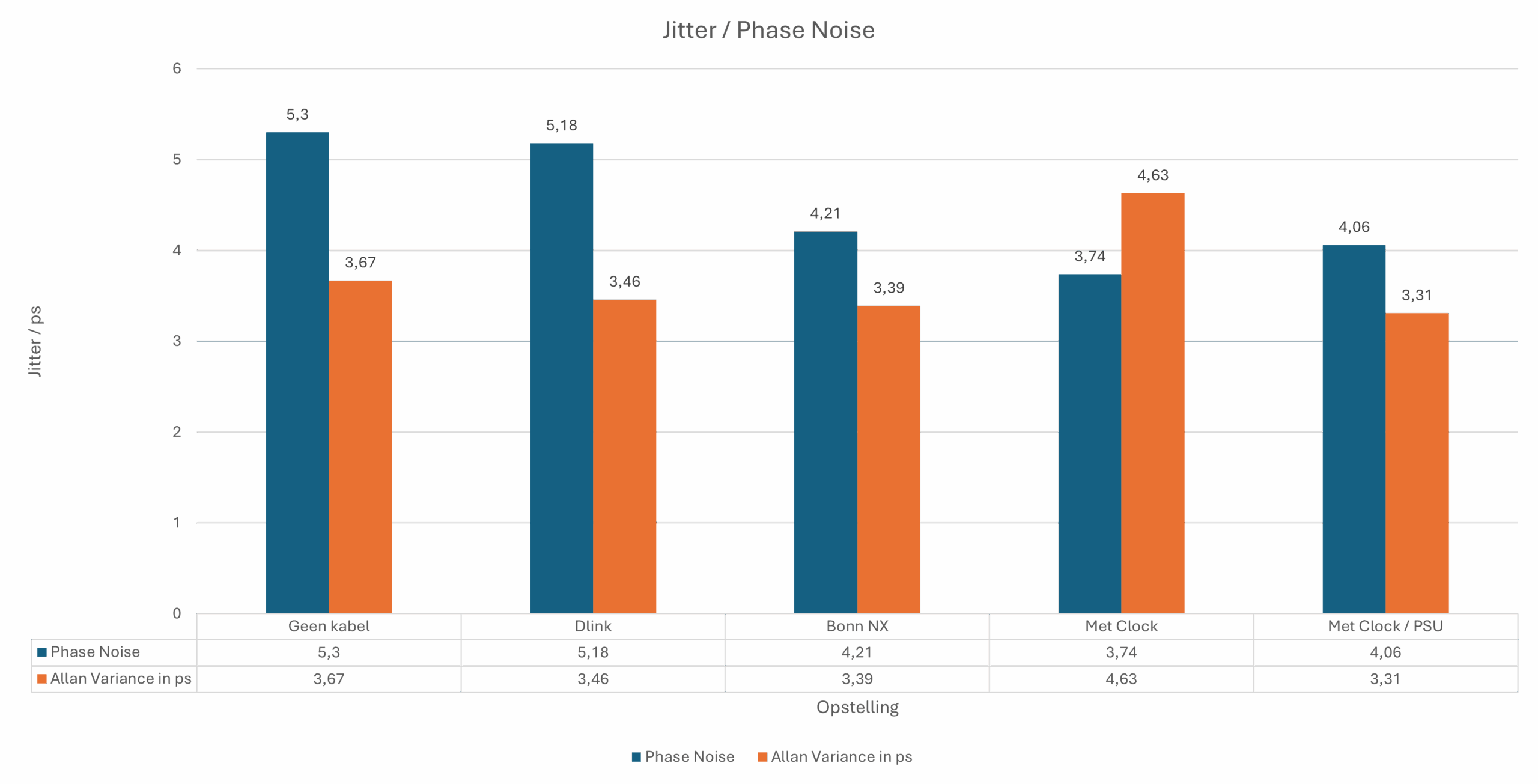
We can be very brief here: the Silent Angel stack puts out neat results. We see that the Bonn NX simply delivers what it promises: better playback (because lower jitter). However, here again we see the grounding challenges of these three “boxes”. We are convinced that if we had a little more time and we could check out the correct way of grounding everything, better results could appear on the screen.
By the way, these improved results are also visible in the screenshot of the phase-noise measurement in the new set-up. We can see there that the trio scores better than the rest.
We still have a question about the choice of the GX clock. We dropped this question at Silent Angel. As soon as we know what their view on external clocks is, we’ll add that. Namely, what we notice is that the output is very low. This is positive, because now the clock signal does not ‘leak out’, which we have seen in some cases. However, it does make measuring this clock a bit complicated. Although our results are correct; we validated them at Silent Angel.