 English
Amplifiers remain the heart of the audio system: it is the pump, the power plant of the system. The driving force behind the speaker. Because it’s such an important component in a hi-fi system, we test them regularly. And in many price ranges. And we do so with great pleasure.
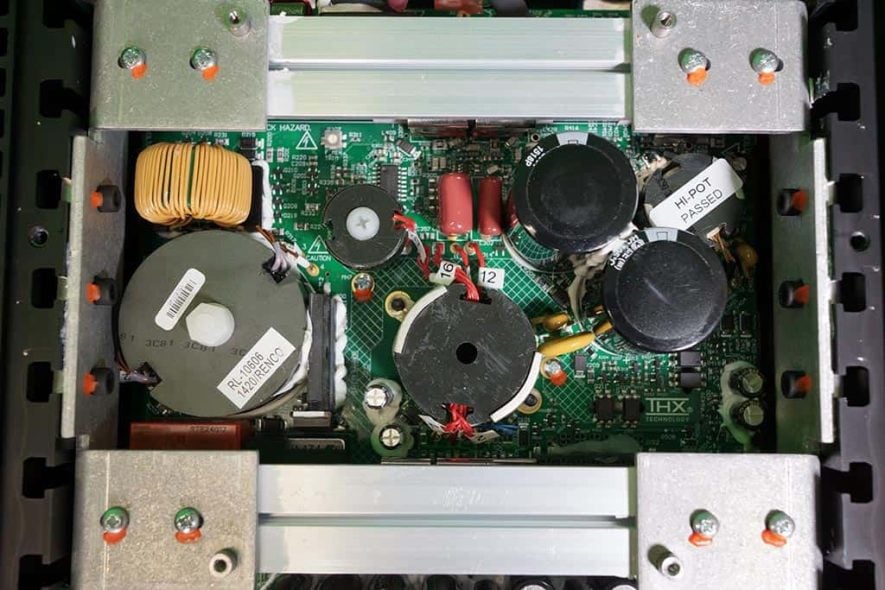
There are several amplifier classes. Class A, Class B, Class AB, Class D…. And even Class T and C. Point is: an amplifier class has no sound. It is purely an indication of how the signal is processed. And how the transistors are switched.
Speaking of transistors: of course, there are various types of amplification.
This is done roughly in two ways: with tubes and/or with transistors. Both ideally have no sound. Both a tube and a transistor can sound very neutral. Only the way of clipping is quite different. A tube has a softer way of clipping the signal. But again suffers more from harmonic distortion. A transistor is more efficient, but does not clip pleasantly.
The above has caused many manufacturers to create a hybrid; tube pre-amp and transistor or class D end. And that sounds nice!
Alpha Audio - Haarlem - Netherlands
To provide the best possible experience, we use technologies such as cookies to store and/or access information about your device. By consenting to these technologies, we may process data such as browsing behavior or unique identifiers on this site. If you do not give your consent or withdraw it, certain features and capabilities may be affected.



Comments