




At the JBL is taking on competitors such as Sonos. Or Bose, if you prefer. And it intends to do so with a brand-new range of its Cove streaming and multiroom speakers.
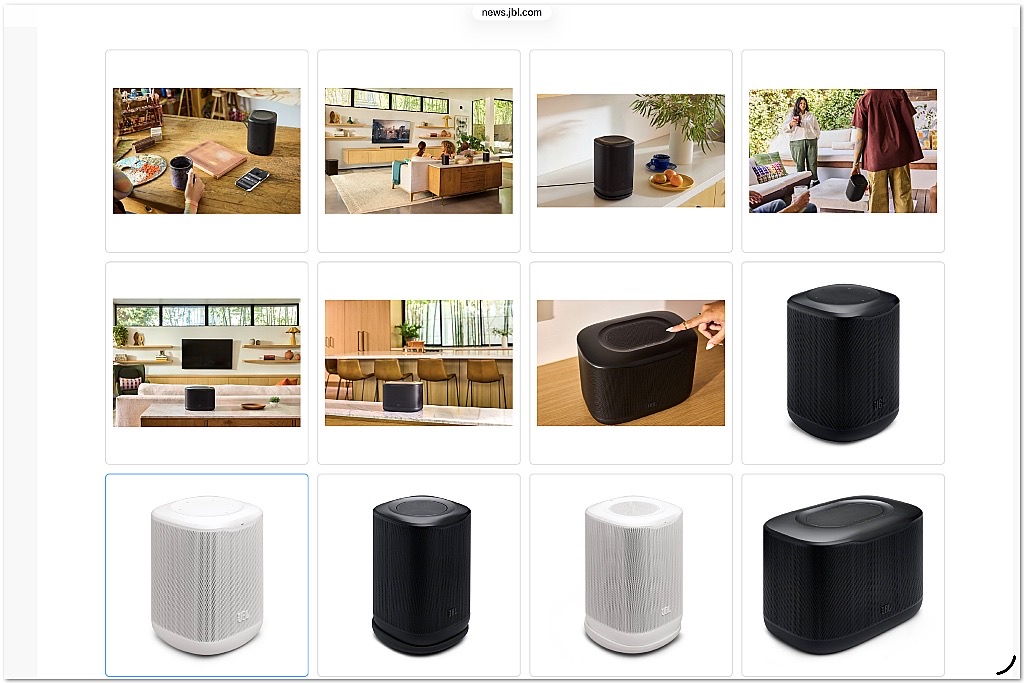
JBL has been highly successful for years with its popular range of Bluetooth speakers. Think, for example, of the familiar Flip, Charge or considerably more substantial Xtreme. But ultimately, they are what they are: ‘just’ Bluetooth speakers. With the brand-new Cove Series, however, the manufacturer is entering a new playing field: streaming audio and multiroom. And considering the success of its Bluetooth range, this new venture could quite easily become a success as well.
The series consists of three models: the battery-powered Cove M1, the compact P1 and the most comprehensive model, the X1. The latter features six drivers: four tweeters and a pair of woofers. Then there is the P1 with four tweeters and a single woofer, while the small M1 features two tweeters and one bass driver.
Dolby Atmos
The Cove X1 and M1 also support Dolby Atmos. Designed with more portable use in mind, the M1 offers up to 14 hours of playback on a fully charged battery and carries an IP56 rating. That makes it perfectly suitable for use in the garden, for example.
All speakers also feature JBL’s proprietary Constant Sound Field technology, which continuously adapts the sound to the listening environment.
Streaming and Multiroom
There is certainly no shortage of streaming options. The Cove Series supports familiar services and technologies including Qobuz Connect, Tidal Connect and Spotify Connect. AirPlay 2 and Google Cast are also on board. Finally, good old Bluetooth remains part of the package as well, making the range particularly versatile.
As promised, multiroom playback is possible, while the speakers can also be paired with, for example, JBL Bar Series MK2 soundbars. Alternatively, they can be used as a pair of rear speakers in a home-cinema system.
The JBL Cove M1 costs €230, the P1 €450 and the X1 €500. Now we can only hope that JBL provides long-term software support for these speakers. If it does, we reckon this new branch of the company’s audio activities could turn out rather well indeed.