
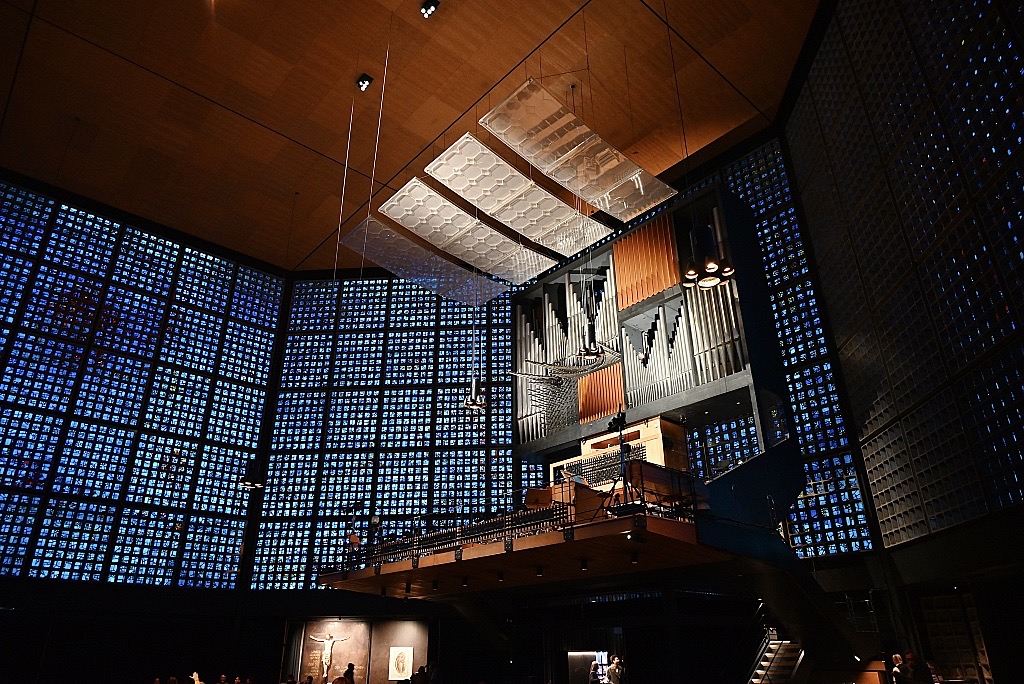
We paid a visit to the Kaiser Wilhelm Memorial Church in Berlin and, at the same time, took a closer look at Teufel. As it turns out, these neighbors have more in common than many people realize…
The Gedächtniskirche in Berlin is much more than just a centrally located church. It is an important monument, preserved after World War II in the state it was left in following the bombings—serving as a reminder of a dark chapter in German history. At the same time, it remains an active place of worship, thanks to a newly built modern annex. Together, this makes it a landmark that attracts crowds of German and international tourists every year, while still functioning as a church.
One element no church should be without is an organ—and the one inside the Gedächtniskirche holds some remarkable surprises. Particularly elements you would never expect in what is traditionally a classical, mechanical instrument. A notable detail (and a bit of a teaser): there is a substantial sound system installed to reinforce the lower frequencies—supplied by its neighbor across the street: Teufel.
Concert
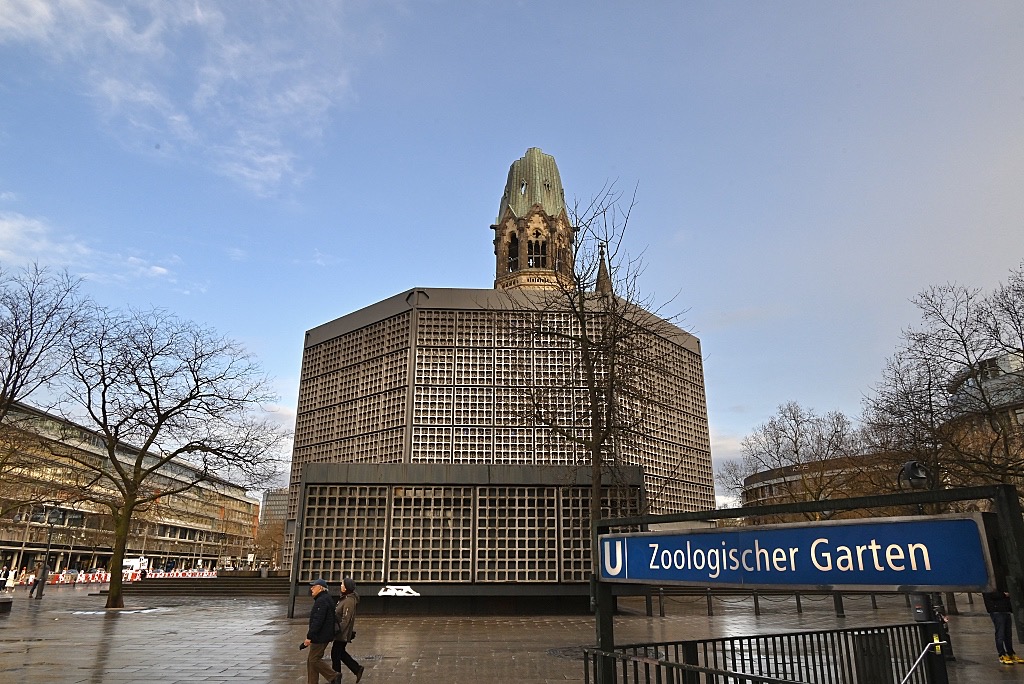
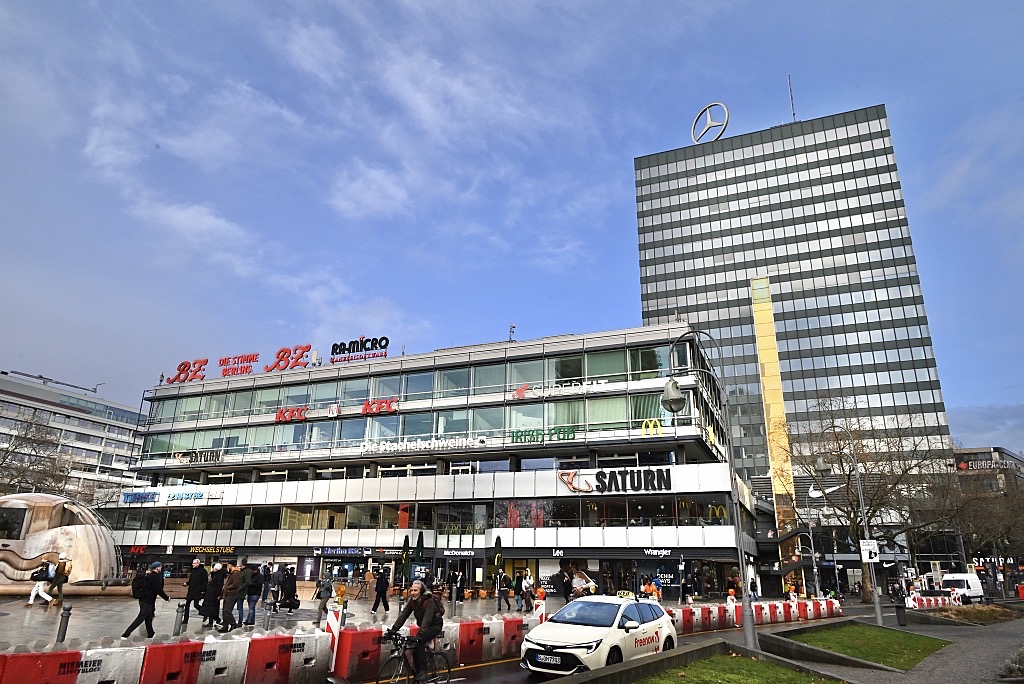
We find ourselves on a Saturday evening in the beating heart of Berlin. The Gedächtniskirche is located near Bahnhof Zoo and the Europa Center, another well-known landmark filled with shops, restaurants and offices. The adjacent office building topped with a large Mercedes star makes the location easy to spot, while the nearby Kurfürstendamm adds to the bustling atmosphere with its mix of shopping and nightlife. In front of the modern section of the church, a queue has formed. At six o’clock, an organ concert begins. Once inside, the polygonal space with its modern blue glass blocks immediately stands out—along with the organ itself.
While church organ music may not be everyone’s favorite, that’s precisely what makes these concerts interesting: anything can happen. The audience is largely older, with only a few exceptions, but the hall is well filled. The surprisingly young Sebastian Heindl delivers a stunning performance.
Old school meets modern
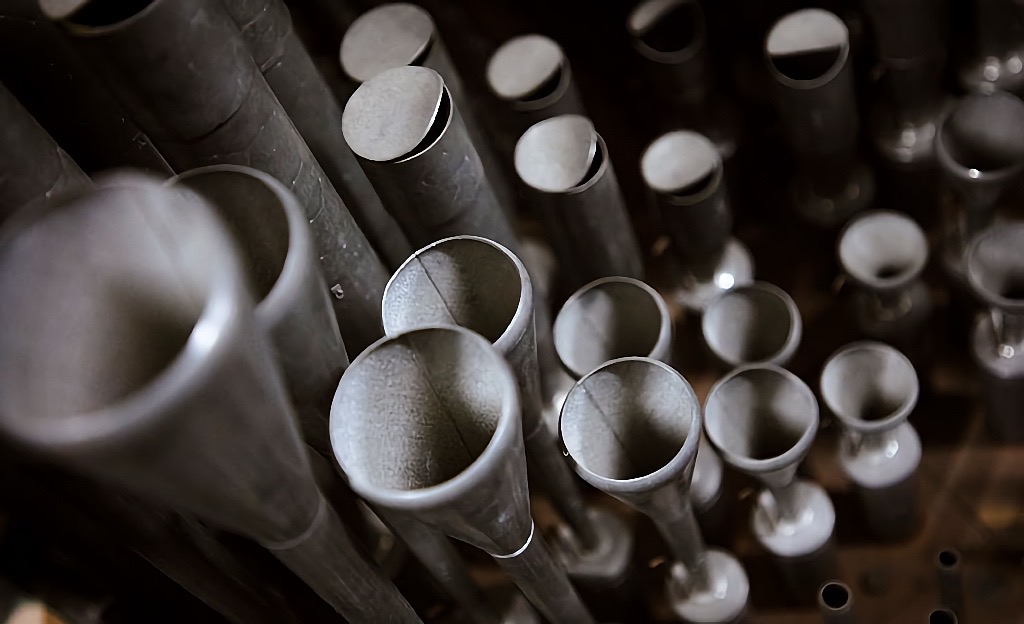
What many listeners don’t realize is that they are hearing a hybrid mix of real organ pipes and sampled instruments (or rather: instrument banks forming registers). And what even fewer may know is that a powerful sound system is in place to reinforce the low end—something absolutely necessary in this acoustically challenging space. This led the church board to approach Teufel, which installed a system featuring cinema subwoofers for the digital registers, extending down to frequencies as low as 16 Hz.
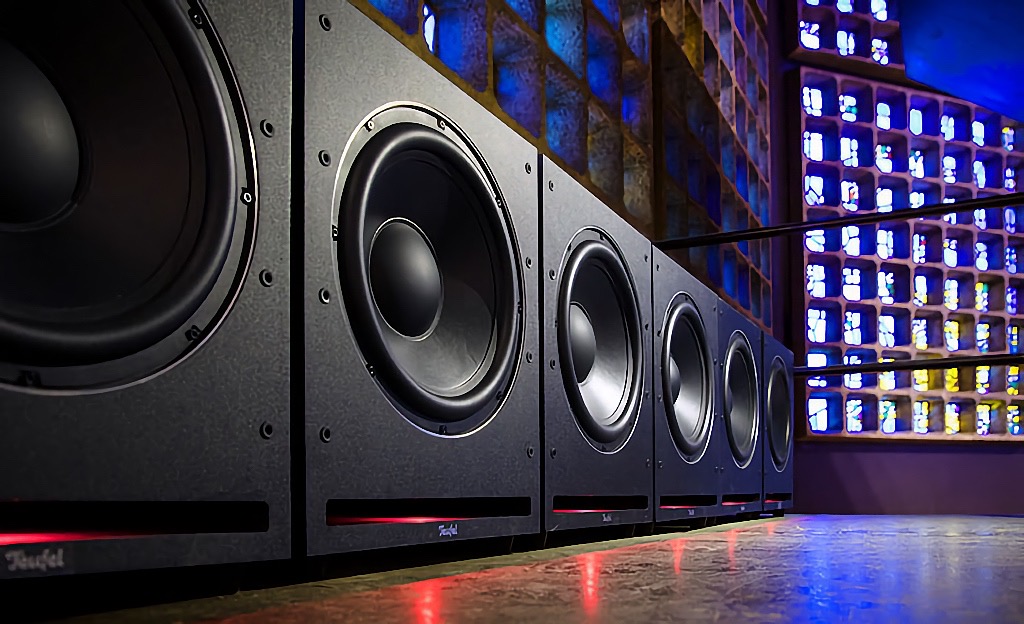
The results were so convincing that church musician Helmut Hoeft and Professor Wolfgang—both experts on the organ—opted to involve Teufel again during a second phase of expansion. This included, among other things, a speaker system with two Teufel Cubycon US 5305/6 subwoofers integrated into the so-called swell box. This is a louvered enclosure that allows the organist to control the volume of the pipes (and now also other components) behind it. Thanks to these subwoofers, this section now reaches deeper frequencies, down to around 30 Hz.
A MIDI input was also added, opening up a wide range of possibilities far beyond traditional church music. It’s no surprise that students from the Berlin University of the Arts eagerly explore the expanded sonic palette of this far-from-standard organ. The result is a repertoire that often goes well beyond classical music. On this particular evening, for instance, we hear a Mozart piano sonata arranged for organ—performed by Heindl—with striking and sometimes unexpected tonal colors that elevate the typically subdued church sound to new heights.
Buttons!
Admittedly, I’m not a regular churchgoer, nor a die-hard fan of organ music. It’s more a case of “well, it’s part of the experience.” But technical ingenuity? That’s a different story. And when the music turns out to be less predictable than expected, that only adds to the appeal.
After the concert, I take a look at the organ’s “cockpit.” There it is—the MIDI connection, located to the right of the multi-tiered keyboard (can you even call it that on an instrument like this?). And to the left, a console packed with inviting buttons. The organist explains: the upper rows select digital instruments, while the lower ones control the traditional pipes, flutes and horns. “Go ahead, try it—I need to take care of something.”
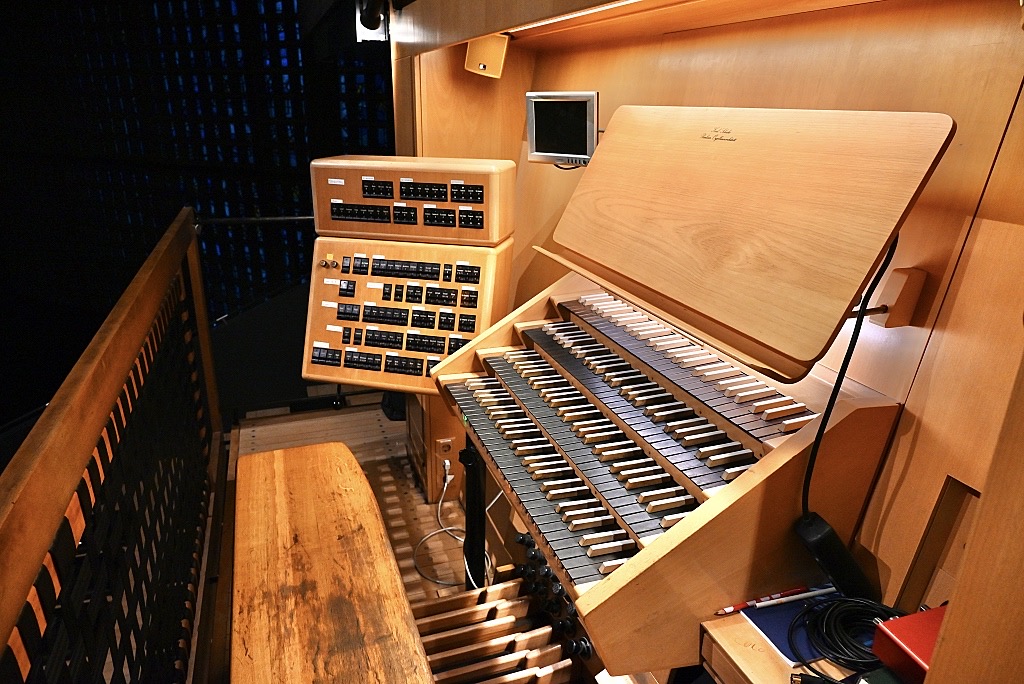
Not the easiest task for a non-musician. But those buttons are hard to resist. And indeed—pressing the digital selections produces sounds from the organ above. The low end is impressively deep, and some tones are quite unusual—almost suitable as a backdrop for modern music. Though many organists would likely consider that sacrilege.
After half an hour of experimenting, a voice echoes from below. The caretaker, asking whether I plan to stay much longer. The organist had completely forgotten about me—and the caretaker had noticed some rather unusual sounds coming from the instrument. Without his intervention, it might have been a long night in an empty church.
On to Teufel
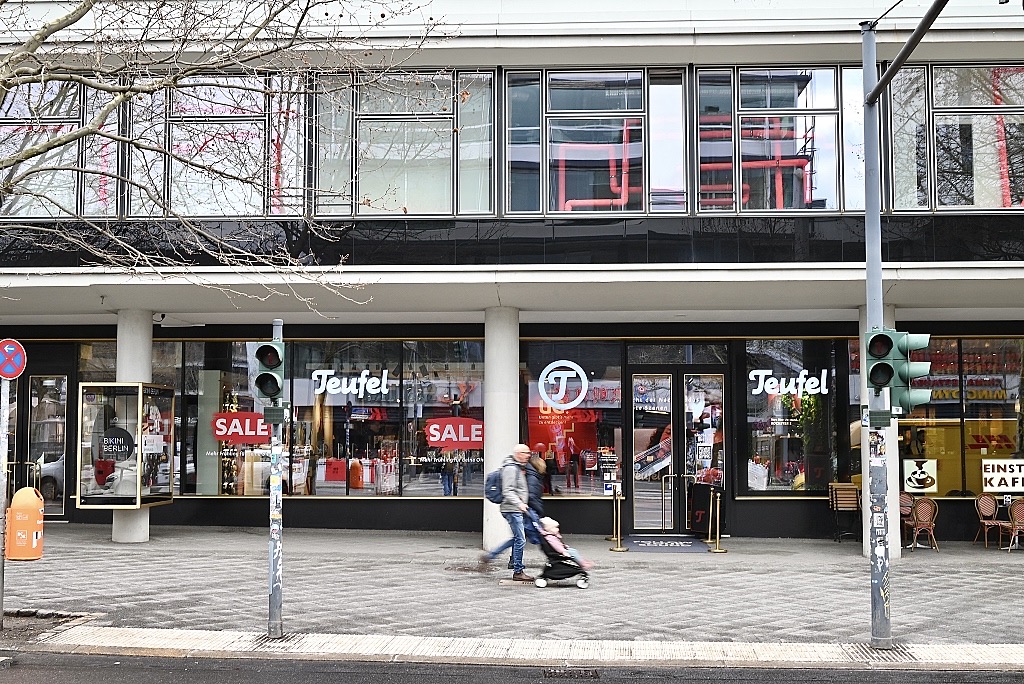
Combining classical and modern technology is, of course, fascinating. This may not be the only organ in the world where such a hybrid approach is used, but it happened to be right on our route—and curiosity got the better of us. What makes it extra special is that a significant part of the installation was supplied by Teufel, whose offices are located just across the street in the Europa Center.
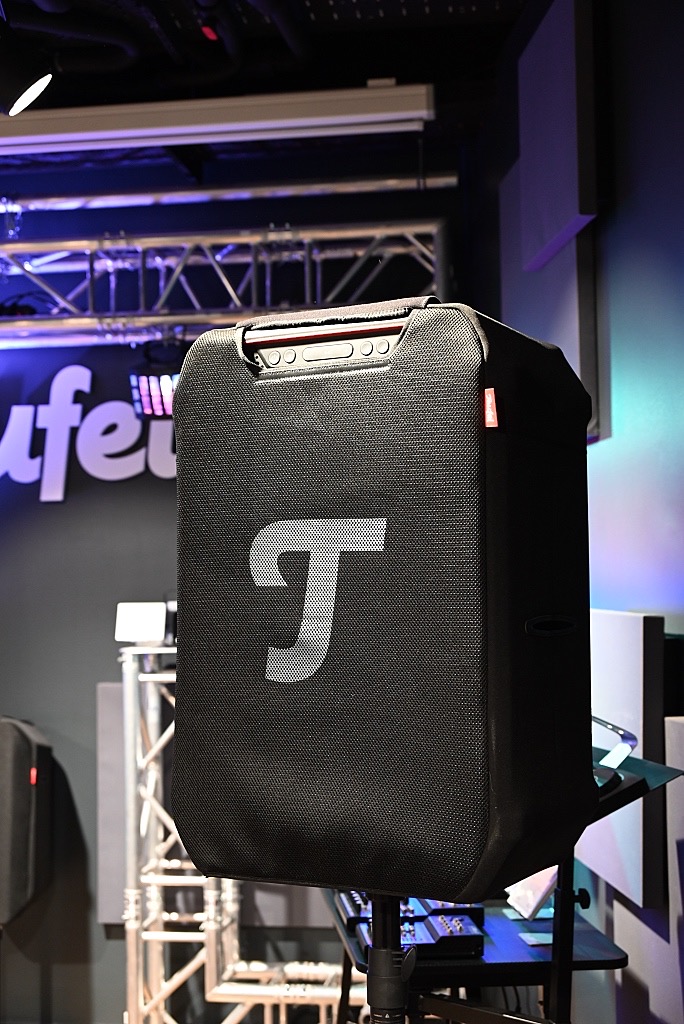
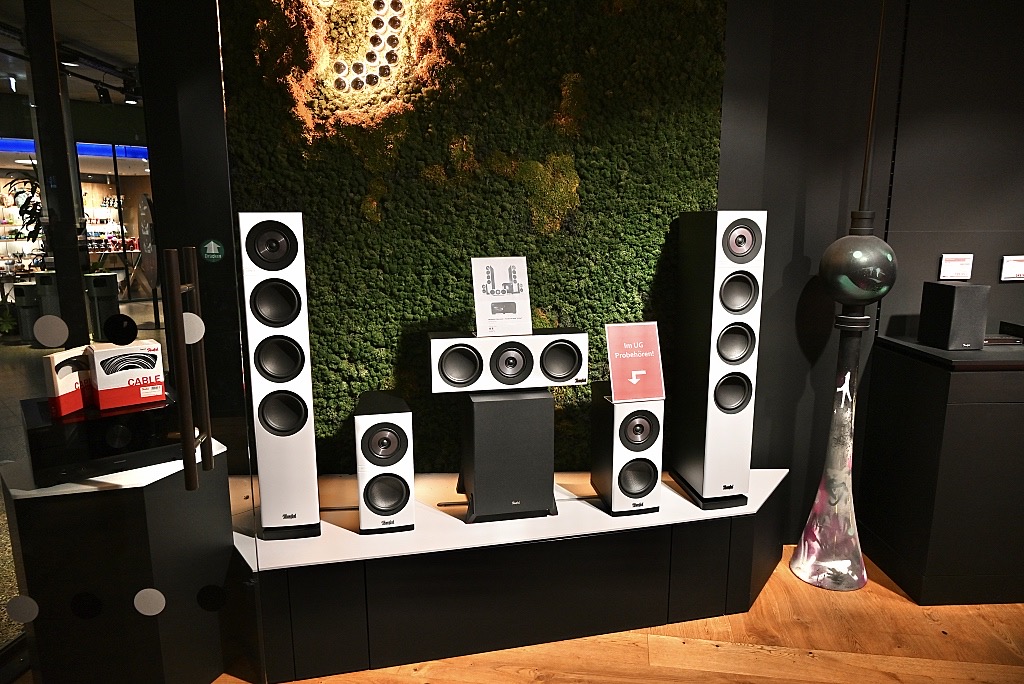
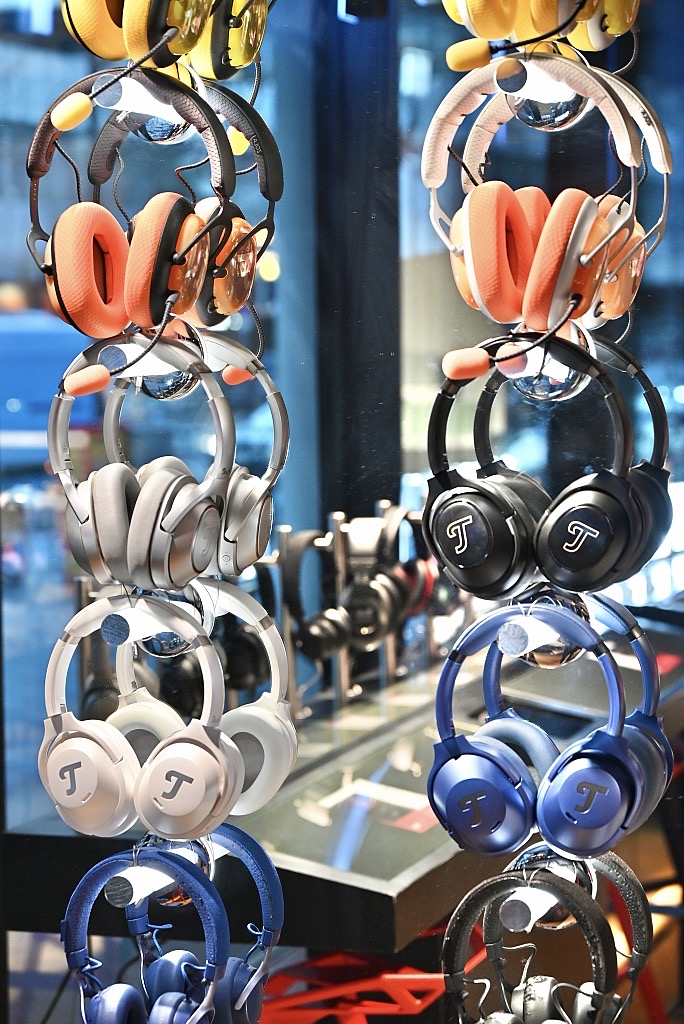
Naturally, we paid them a visit as well. After all, Berlin is where it all began for the company in the late 1970s. Their large and sleek flagship store is a must-see for anyone interested in hi-fi and affordable high-end audio. At street level, you’ll find the brand’s full range of speakers, equipment, headphones and in-ears. Downstairs is an impressive listening room where the latest Cinebar with Dolby Atmos is demonstrated—and it sounds excellent. Ideal for film enthusiasts who want a wide soundstage without filling their entire room with speakers.
Looking around
We are briefly guided through the store by Pascale Meijers, a Dutch native from Limburg who has been living in Berlin for decades. As Team Lead International Projects & NL/BE at Teufel, she offers insight into the product lineup—both current and historical, including some rather unique designs such as porcelain speakers. There is also an extensive selection of headphones, including gaming models.
In the basement, more professional setups are on display, including a DJ booth featuring Pioneer DJ gear paired with the well-known Rockster 2. There’s also a demo room where speakers and soundbars can be auditioned—the latest Cinebar 22 sounds far bigger than its modest size suggests.
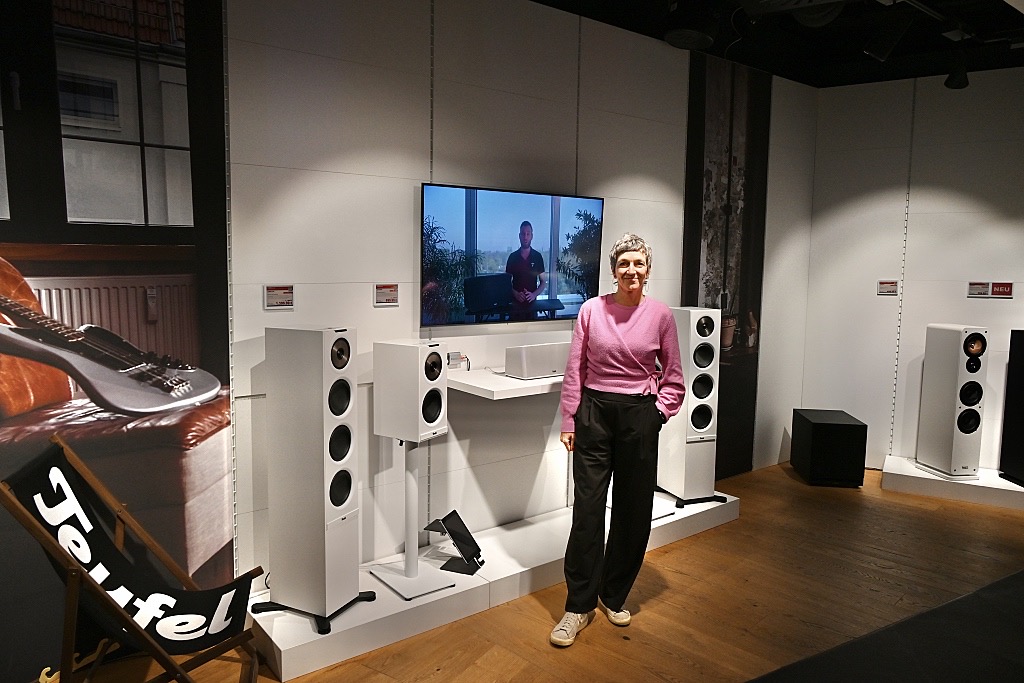
If you ever find yourself in Berlin, it’s well worth visiting this flagship store—if only because it allows you to see and, more importantly, hear the products in person.
Growing further, including in the Netherlands

Time to sit down with Rob Peters. As CRO (Chief Revenue Officer), his role revolves around driving growth, expanding into new markets and strengthening existing ones. One interesting piece of news that emerges during our conversation: Teufel is planning flagship stores not only in the Netherlands but also in countries such as Poland.
Peter Tschimmel: founder
Peters also shares the company’s origins. Teufel was founded in 1979 in West Berlin by Peter Tschimmel, initially offering speaker kits. At the time, building your own speakers was a popular hobby. Anticipating changes in the market, the company soon introduced its first ready-made products: the M 200 speaker and M6000 subwoofer.
Until 1990, Teufel sold through retailers. That year, it switched to a direct-to-consumer model—long before the internet became what it is today—allowing greater control over pricing and distribution. A notable milestone came in 1995, when Teufel became the first in Europe to introduce a 5.1 surround system for DVD: the Theater 2.
Buying and selling
In 2006, the company was acquired by investor Riverside, followed by a sale to HG Capital in 2010. Around the same time, Teufel acquired Raumfeld, a multiroom and streaming speaker specialist. In 2018, the company came under the umbrella of French private equity group Naxicap. Under CEO Sascha Mallah and CRO Rob Peters, Teufel has continued to grow and is now active worldwide.
Development still takes place in Germany—specifically across the street in the Europa Center. Around 300 people work in Berlin, while logistics and storage are handled in Hamburg. Manufacturing, like that of most brands, takes place in China, where around 50 employees are also involved in inventory management and sales.
According to Peters, Teufel remains committed to offering high-quality products at accessible prices—a balance that is not always easy to find in the high-end audio world.
With that, the coffee is finished, and it’s time to head out. No doubt we’ll be back—next time for a deeper dive into the technical side of things.